When you embark on the journey of reducing sugar in your diet, understanding sugar substitutes becomes essential. These alternatives can help you maintain sweetness in your favorite recipes without the added calories and health risks associated with traditional sugar. Sugar substitutes come in various forms, including natural options like stevia and monk fruit, as well as artificial sweeteners such as aspartame and sucralose.
Each type has its unique flavor profile and sweetness level, which can significantly impact your baking results. As you explore these substitutes, it’s crucial to consider their individual characteristics. For instance, stevia is derived from the leaves of the Stevia rebaudiana plant and is known for its intense sweetness—often requiring only a small amount to achieve the desired taste.
On the other hand, erythritol, a sugar alcohol, provides a more sugar-like texture and can be used in larger quantities without the same aftertaste that some artificial sweeteners may impart. By familiarizing yourself with these options, you can make informed decisions that align with your dietary goals while still enjoying delicious baked goods.
Choosing the Right Flour
Selecting the appropriate flour is a fundamental step in achieving the perfect texture and flavor in your baked goods. With a plethora of options available, it’s essential to understand how different flours behave in recipes. For instance, all-purpose flour is versatile and commonly used, but if you’re looking for a healthier alternative, whole wheat flour or almond flour might be more suitable.
Whole wheat flour adds a nutty flavor and increases fiber content, while almond flour can provide moisture and a rich taste. As you navigate through your flour choices, consider the specific requirements of your recipe. If you’re baking bread, bread flour with a higher protein content will yield better results than all-purpose flour.
Conversely, for delicate pastries or cakes, cake flour is your best bet due to its lower protein content, which results in a tender crumb. By understanding the properties of each type of flour, you can tailor your baking to achieve the desired outcome while also enhancing the nutritional profile of your treats.
Balancing Flavors
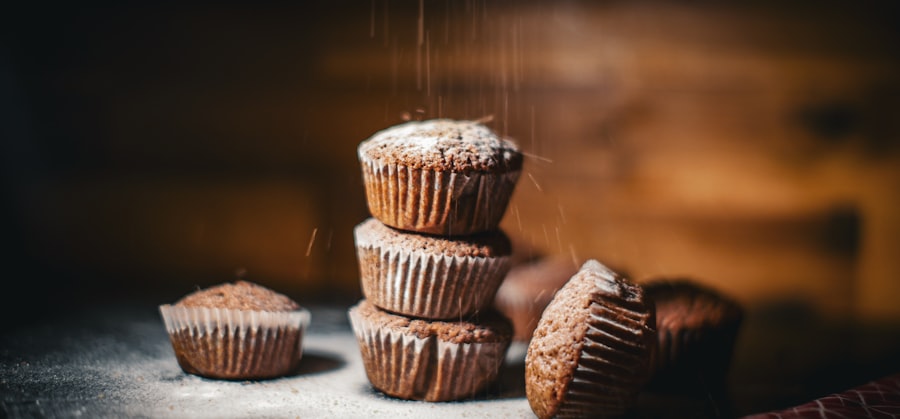
Achieving a harmonious balance of flavors is crucial when baking, especially when you’re experimenting with sugar substitutes and alternative flours. The key to successful baking lies in understanding how different ingredients interact with one another. For example, if you’re using a sugar substitute that has a distinct aftertaste, you might want to incorporate complementary flavors such as vanilla or citrus zest to mask any undesirable notes.
This approach not only enhances the overall taste but also elevates your baked goods to new heights. Moreover, consider the role of salt in your recipes. While it may seem counterintuitive to add salt to sweet dishes, a pinch can actually enhance sweetness and round out flavors.
Similarly, spices like cinnamon or nutmeg can add depth and complexity to your creations. As you experiment with balancing flavors, don’t hesitate to trust your palate; tasting along the way will help you adjust ingredients to achieve that perfect blend of sweetness and flavor.
Incorporating Fruits and Vegetables
One of the most delightful ways to enhance your baked goods is by incorporating fruits and vegetables into your recipes. Not only do they add natural sweetness and moisture, but they also contribute essential nutrients and fiber. For instance, ripe bananas can serve as an excellent substitute for sugar in muffins or pancakes, providing both sweetness and a tender texture.
Similarly, grated zucchini or carrots can add moisture to cakes while boosting their nutritional value. When adding fruits and vegetables, it’s important to consider their water content and how it may affect your batter or dough consistency. For example, if you’re using fresh berries in a cake recipe, you might need to reduce other liquid ingredients slightly to prevent a soggy outcome.
Additionally, dried fruits like raisins or cranberries can provide concentrated sweetness and chewiness without altering the overall moisture balance. By creatively incorporating these natural ingredients, you can elevate your baked goods while making them healthier and more satisfying.
Adjusting Baking Time and Temperature
Baking is as much an art as it is a science, and understanding how to adjust baking time and temperature is vital for achieving optimal results. When you modify ingredients—such as using sugar substitutes or alternative flours—you may need to tweak your baking parameters accordingly. For instance, baked goods made with almond flour often require a lower temperature than those made with all-purpose flour to prevent over-browning while ensuring they cook through evenly.
Additionally, keep an eye on the texture of your creations as they bake. If you notice that a cake is browning too quickly on the outside but remains undercooked in the center, lowering the temperature slightly can help ensure even cooking throughout. Conversely, if you’re using a sugar substitute that caramelizes differently than regular sugar, you may need to adjust the baking time to achieve that perfect golden crust.
By being attentive to these details, you can refine your baking skills and produce consistently delicious results.
Using Low-Glycemic Index Ingredients
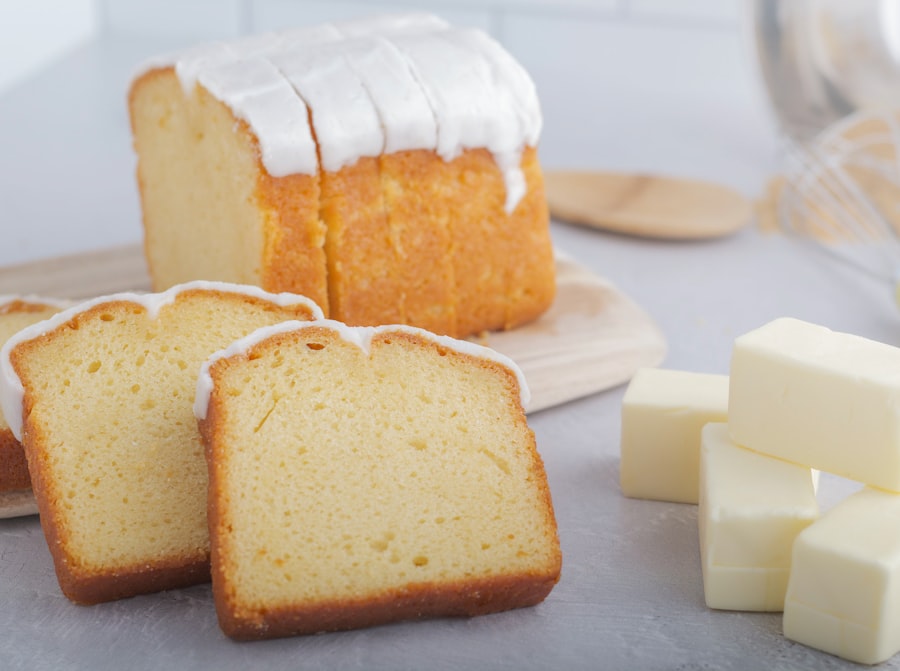
Incorporating low-glycemic index (GI) ingredients into your baking can be an effective way to manage blood sugar levels while still enjoying sweet treats. The glycemic index measures how quickly foods raise blood sugar levels; foods with a low GI are digested more slowly, providing sustained energy without sharp spikes in glucose levels. When selecting ingredients for your recipes, consider options like whole grains, legumes, and certain fruits that fall within this category.
For example, using oats instead of refined flour can lower the overall glycemic load of your baked goods while adding fiber and nutrients. Similarly, sweetening with low-GI options like agave nectar or coconut sugar can help maintain stable blood sugar levels compared to traditional sugars. By consciously choosing low-GI ingredients, you not only create healthier baked goods but also contribute to long-term well-being without sacrificing flavor or enjoyment.
Portion Control and Moderation
While it’s wonderful to create healthier baked goods using substitutes and alternative ingredients, portion control remains an essential aspect of enjoying these treats responsibly. Even when using lower-calorie sweeteners or whole grain flours, it’s easy to overindulge if you’re not mindful of serving sizes. Practicing moderation allows you to savor the flavors of your creations without compromising your health goals.
One effective strategy is to use smaller baking pans or molds when preparing desserts. This not only helps control portion sizes but also encourages mindful eating as you take the time to appreciate each bite. Additionally, consider sharing your baked goods with friends or family; this not only spreads joy but also helps keep portions in check.
By embracing moderation and being conscious of serving sizes, you can enjoy your delicious creations guilt-free.
Experimenting with Different Recipes
Baking is an adventure filled with endless possibilities for creativity and experimentation. As you become more comfortable with using sugar substitutes and alternative ingredients, don’t hesitate to try out new recipes or modify existing ones. The beauty of baking lies in its flexibility; what works for one recipe may inspire innovative twists on another.
Start by taking classic recipes that you love and reimagining them with healthier ingredients. For instance, try swapping out white sugar for a natural sweetener or replacing half of the flour with ground oats or almond flour for added nutrition. You might be surprised at how well these substitutions work together!
Keep a journal of your experiments—note what works well and what doesn’t—so you can refine your techniques over time. Embrace the process of trial and error; each attempt brings you closer to mastering the art of healthier baking while still indulging in delightful treats. In conclusion, navigating the world of healthier baking requires an understanding of various ingredients and techniques that can enhance both flavor and nutrition.
By exploring sugar substitutes, choosing the right flours, balancing flavors thoughtfully, incorporating fruits and vegetables creatively, adjusting baking times appropriately, utilizing low-GI ingredients wisely, practicing portion control diligently, and embracing experimentation wholeheartedly, you can transform your baking experience into one that is both enjoyable and health-conscious. So roll up your sleeves and get ready to create delicious masterpieces that satisfy your sweet tooth while nourishing your body!