In a world where dietary choices are becoming increasingly diverse, the low-carb vegetarian dinner is emerging as a popular option for those seeking to maintain a healthy lifestyle without sacrificing flavor or variety. You may find yourself drawn to this culinary approach for various reasons, whether it’s for weight management, improved energy levels, or simply a desire to explore new flavors. The beauty of low-carb vegetarian dinners lies in their ability to combine the principles of vegetarianism with the benefits of a low-carbohydrate diet, allowing you to enjoy a wide array of delicious meals that nourish your body and satisfy your palate.
As you embark on this culinary journey, you’ll discover that low-carb vegetarian dinners can be both satisfying and creative. By focusing on fresh vegetables, legumes, nuts, and seeds, you can craft meals that are not only low in carbohydrates but also rich in essential nutrients. This approach encourages you to think outside the box, experimenting with different ingredients and cooking techniques to create dishes that are as visually appealing as they are delicious.
Whether you’re a seasoned cook or just starting out in the kitchen, the world of low-carb vegetarian dinners offers endless possibilities for exploration and enjoyment.
Benefits of a Low-Carb Vegetarian Diet
Adopting a low-carb vegetarian diet can bring about numerous health benefits that may resonate with your personal wellness goals. One of the most significant advantages is weight management. By reducing your carbohydrate intake while still enjoying a variety of plant-based foods, you may find it easier to maintain a healthy weight or even shed unwanted pounds.
This dietary approach can help stabilize blood sugar levels, reducing cravings and promoting a sense of fullness that keeps you satisfied longer. In addition to weight management, a low-carb vegetarian diet can also support heart health. By emphasizing whole foods such as vegetables, nuts, and seeds while minimizing processed carbohydrates, you may lower your risk of heart disease.
These foods are often rich in fiber, healthy fats, and antioxidants, all of which contribute to improved cardiovascular health. Furthermore, this diet can help reduce inflammation in the body, which is linked to various chronic diseases. As you embrace this lifestyle, you may notice an increase in your overall energy levels and vitality, allowing you to engage more fully in the activities you love.
Low-Carb Vegetarian Protein Sources
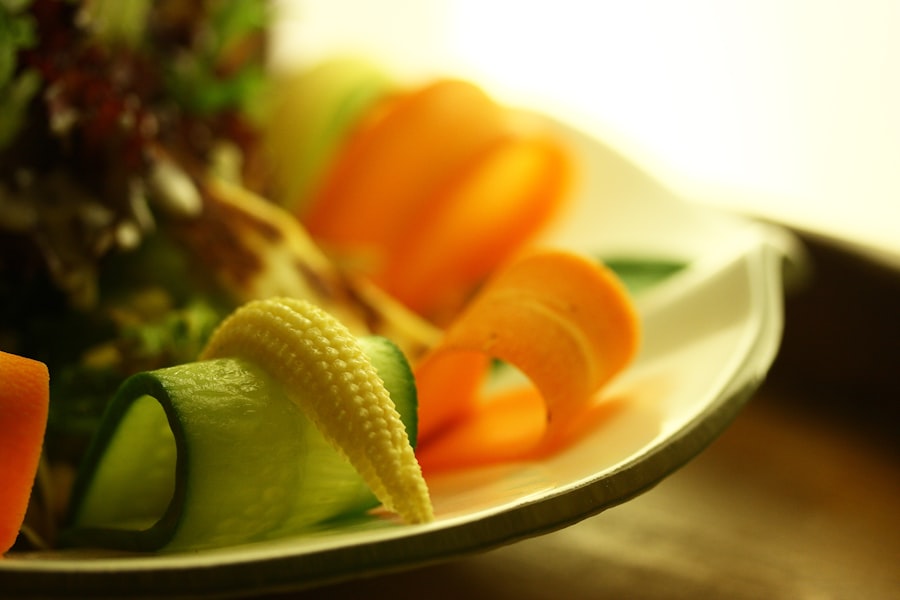
When following a low-carb vegetarian diet, it’s essential to ensure you’re getting enough protein to support your body’s needs. Fortunately, there are plenty of plant-based protein sources that fit seamlessly into this dietary framework. Legumes such as lentils, chickpeas, and black beans are excellent options, providing not only protein but also fiber and essential nutrients.
While they do contain some carbohydrates, their high fiber content helps mitigate blood sugar spikes, making them suitable for a low-carb approach when consumed in moderation. In addition to legumes, you can turn to other protein-rich foods like tofu and tempeh. These soy-based products are incredibly versatile and can be incorporated into a variety of dishes, from stir-fries to salads.
Nuts and seeds also offer a great source of protein while providing healthy fats that keep you feeling satisfied. Almonds, chia seeds, and hemp seeds are just a few examples of nutrient-dense options that can enhance your meals. By diversifying your protein sources, you’ll not only meet your nutritional needs but also keep your meals exciting and flavorful.
Quick and Easy Low-Carb Vegetarian Dinner Ideas
When life gets busy, it’s essential to have quick and easy dinner ideas at your fingertips that align with your low-carb vegetarian lifestyle. One simple option is a vegetable stir-fry featuring an array of colorful veggies such as bell peppers, broccoli, and zucchini sautéed in olive oil or coconut oil. You can add tofu or tempeh for an extra protein boost and season it with soy sauce or your favorite spices for added flavor.
This dish comes together in under 30 minutes and is perfect for those hectic weeknights. Another quick idea is a hearty salad packed with nutrient-dense ingredients. Start with a base of leafy greens like spinach or kale and top it with roasted vegetables, avocado slices, and a sprinkle of nuts or seeds for crunch.
Drizzle with a homemade vinaigrette made from olive oil and vinegar for a refreshing finish. This meal is not only quick to prepare but also allows for endless customization based on what you have on hand. With these easy dinner ideas, you can enjoy delicious meals without spending hours in the kitchen.
Low-Carb Vegetarian Dinner Recipes
To inspire your culinary creativity further, here are a couple of low-carb vegetarian dinner recipes that are sure to delight your taste buds. The first is a zucchini noodle stir-fry. Begin by spiralizing fresh zucchini into noodle-like strands and sauté them in olive oil with garlic and ginger until tender.
Add in your choice of vegetables—such as bell peppers and snap peas—and toss in some cubed tofu for protein. Finish with a splash of soy sauce or tamari for flavor. This dish is not only low in carbs but also visually appealing and satisfying.
Another fantastic recipe is cauliflower rice bowls. To make cauliflower rice, simply pulse cauliflower florets in a food processor until they resemble rice grains. Sauté the cauliflower rice in olive oil with onions and garlic until tender.
Top it with roasted vegetables like Brussels sprouts or eggplant and add a dollop of hummus or guacamole for creaminess. This meal is not only filling but also provides an excellent way to incorporate more vegetables into your diet while keeping carbs in check.
Tips for Building a Balanced Low-Carb Vegetarian Plate
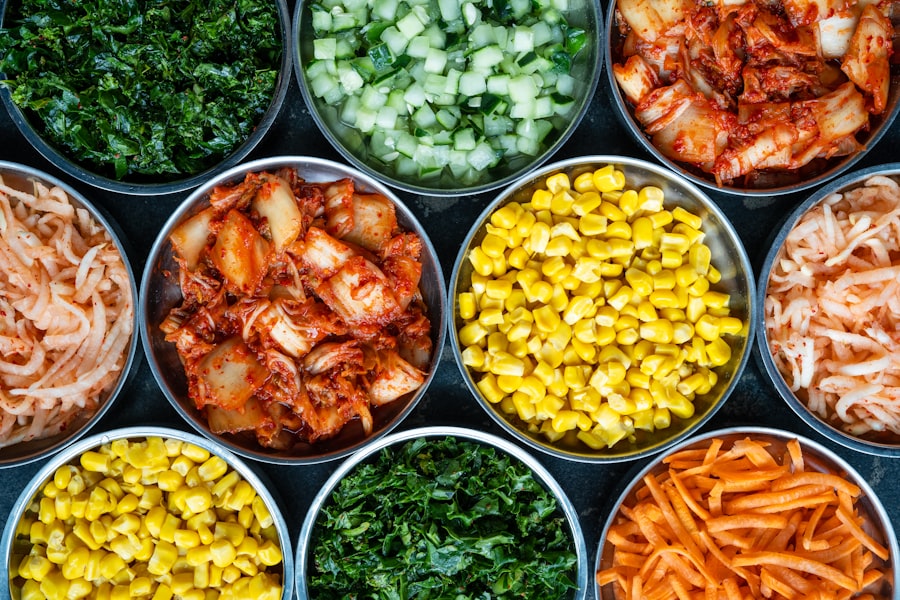
Creating a balanced low-carb vegetarian plate involves thoughtful planning and consideration of various food groups. Start by filling half your plate with non-starchy vegetables such as leafy greens, broccoli, or bell peppers. These vegetables are low in carbohydrates but high in vitamins and minerals, making them an essential component of your meals.
Aim to include a variety of colors to ensure you’re getting a broad spectrum of nutrients. Next, incorporate a source of protein into your meal. This could be tofu, tempeh, legumes, or even nuts and seeds sprinkled on top of your salad or stir-fry.
Remember that healthy fats are also crucial for satiety; consider adding avocado slices or drizzling olive oil over your dish for added flavor and nutrition. Finally, be mindful of portion sizes when it comes to higher-carb foods like grains or starchy vegetables; moderation is key to maintaining the low-carb aspect of your diet.
Low-Carb Vegetarian Dinner Ideas for Special Occasions
When it comes to special occasions, you might wonder how to impress your guests while sticking to your low-carb vegetarian principles. One elegant option is stuffed bell peppers filled with quinoa (in moderation), black beans, diced tomatoes, and spices. Bake them until tender for a colorful centerpiece that’s both nutritious and delicious.
Pair this dish with a side salad drizzled with balsamic vinaigrette for an added touch of sophistication. Another delightful idea is creating a gourmet vegetable platter featuring roasted asparagus, marinated artichokes, and grilled eggplant drizzled with tahini sauce. This visually stunning arrangement not only showcases seasonal produce but also offers an array of flavors that will tantalize your guests’ taste buds.
By focusing on fresh ingredients and creative presentations, you can elevate any gathering while adhering to your low-carb vegetarian lifestyle.
Embracing a Low-Carb Vegetarian Lifestyle
Embracing a low-carb vegetarian lifestyle opens up a world of culinary possibilities that can enhance both your health and enjoyment of food. As you explore various recipes and meal ideas, you’ll likely find that this approach allows you to savor the flavors of fresh produce while maintaining balanced nutrition. The benefits extend beyond just physical health; adopting this lifestyle can foster creativity in the kitchen and encourage mindfulness about what you eat.
Ultimately, the journey toward embracing low-carb vegetarian dinners is about finding what works best for you while enjoying the process along the way. With each meal you prepare, you’ll gain confidence in your cooking skills and discover new ingredients that excite your palate. So go ahead—experiment with flavors, try new recipes, and relish the vibrant world of low-carb vegetarian dining!