Navigating the world of diabetes can be challenging, especially when it comes to meal planning. You may find yourself overwhelmed by the myriad of dietary restrictions and the need to maintain stable blood sugar levels. However, embracing healthy diabetic recipes can transform your culinary experience into one that is both enjoyable and nourishing.
These recipes are designed not only to cater to your health needs but also to tantalize your taste buds. By focusing on wholesome ingredients and balanced nutrition, you can create meals that support your well-being while still being delicious. Healthy diabetic recipes often emphasize whole foods, lean proteins, and plenty of vegetables.
They are crafted to help you manage your blood sugar levels without sacrificing flavor. You might be surprised at how many options are available that are both satisfying and easy to prepare. With a little creativity and the right ingredients, you can whip up meals that are not only good for you but also enjoyable to eat.
This article will guide you through various recipes and tips that will make your journey toward healthier eating a delightful one.
Benefits of Using 5 Ingredients or Less
When it comes to cooking, simplicity can be your best friend, especially in the context of diabetic-friendly meals. Recipes that require five ingredients or less can save you time and reduce the stress of meal preparation. You may find that fewer ingredients often lead to more straightforward cooking techniques, allowing you to focus on the flavors and textures of the food rather than getting bogged down in complicated processes.
This approach can also help you maintain a clear understanding of what you are consuming, which is crucial for managing diabetes. Moreover, using fewer ingredients can encourage you to choose high-quality, nutrient-dense foods. With a limited selection, you are more likely to opt for fresh vegetables, lean proteins, and whole grains rather than processed items laden with sugars and unhealthy fats.
This not only benefits your health but also enhances your cooking skills as you learn to make the most out of each ingredient. You might discover new flavor combinations and cooking methods that elevate your meals while keeping them diabetic-friendly.
Breakfast Recipes for Diabetics
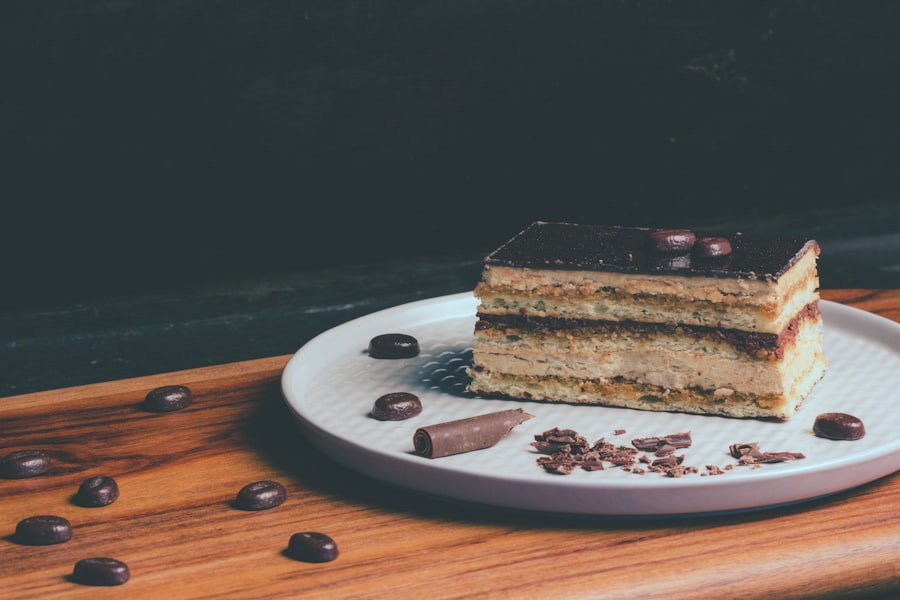
Breakfast is often touted as the most important meal of the day, and for good reason. It sets the tone for your energy levels and blood sugar management throughout the day. As a diabetic, you may want to focus on breakfast options that are high in fiber and protein while being low in sugar.
One simple yet satisfying recipe is a vegetable omelet made with eggs, spinach, tomatoes, and a sprinkle of cheese. This dish is not only quick to prepare but also packed with nutrients that will keep you feeling full until lunchtime. Another great breakfast option is overnight oats.
By combining rolled oats with unsweetened almond milk, chia seeds, and your choice of berries, you create a delicious meal that can be prepared in advance. The fiber from the oats and chia seeds helps regulate blood sugar levels, while the berries add a touch of natural sweetness without overwhelming your system with sugar. You can customize this recipe by adding nuts or seeds for an extra crunch, making it a versatile choice for busy mornings.
Lunch and Dinner Recipes for Diabetics
When it comes to lunch and dinner, the possibilities are endless. You might consider preparing a quinoa salad loaded with colorful vegetables like bell peppers, cucumbers, and cherry tomatoes. Toss in some chickpeas for added protein and fiber, then dress it with a simple vinaigrette made from olive oil and lemon juice.
This dish is not only refreshing but also provides sustained energy without causing spikes in blood sugar levels. For dinner, a grilled chicken breast served alongside steamed broccoli and sweet potatoes can be both satisfying and nutritious. The lean protein from the chicken helps keep you full, while the sweet potatoes offer complex carbohydrates that digest slowly, preventing sudden increases in blood sugar.
You can season the chicken with herbs and spices to enhance its flavor without adding extra calories or sugar. This meal is not only easy to prepare but also allows you to enjoy a variety of textures and tastes on your plate.
Snack and Dessert Recipes for Diabetics
Snacking can be a tricky area for those managing diabetes, but it doesn’t have to be boring or bland. Healthy snacks can keep your energy levels stable between meals while satisfying your cravings. One simple option is sliced apple with almond butter.
The natural sweetness of the apple combined with the healthy fats from almond butter creates a balanced snack that will keep you satisfied without spiking your blood sugar. When it comes to dessert, you might think that indulgence is off-limits, but there are plenty of diabetic-friendly options available. Consider making chia seed pudding by mixing chia seeds with unsweetened coconut milk and letting it sit overnight in the fridge.
You can sweeten it with a touch of stevia or add vanilla extract for flavor. Top it with fresh berries or nuts for added texture and taste. This dessert is not only delicious but also packed with fiber and healthy fats.
Tips for Cooking and Meal Planning for Diabetics
Effective meal planning is essential for managing diabetes successfully. One of the best strategies is to dedicate a specific day each week to plan your meals and prepare ingredients in advance. This could involve chopping vegetables, marinating proteins, or even cooking entire meals that can be stored in the fridge or freezer for later use.
By having healthy options readily available, you reduce the temptation to reach for unhealthy snacks or fast food when hunger strikes. Another important tip is to focus on portion control. Understanding serving sizes can help you maintain balanced meals without overindulging.
You might find it helpful to use smaller plates or bowls to visually trick yourself into feeling satisfied with less food. Additionally, incorporating a variety of colors on your plate not only makes your meals more appealing but also ensures that you are getting a range of nutrients essential for your health.
Ingredient Substitutions for Diabetic-Friendly Recipes
Making simple ingredient substitutions can significantly enhance the healthfulness of your meals without sacrificing flavor. For instance, if a recipe calls for white rice, consider swapping it out for brown rice or quinoa instead. These whole grains provide more fiber and nutrients while helping to stabilize blood sugar levels.
Similarly, using Greek yogurt in place of sour cream can add creaminess while boosting protein content. When baking or cooking sweet dishes, you might want to replace refined sugars with natural alternatives like stevia or monk fruit sweetener. These substitutes provide sweetness without the calories or blood sugar spikes associated with traditional sugars.
Additionally, using whole grain flours instead of white flour can improve the nutritional profile of baked goods while adding a nutty flavor that enhances the overall taste.
Conclusion and Resources for More Healthy Diabetic Recipes
In conclusion, embracing healthy diabetic recipes doesn’t have to be daunting or restrictive. By focusing on simple ingredients, balanced meals, and effective meal planning strategies, you can create delicious dishes that support your health goals while satisfying your palate. The journey toward better eating habits is not just about managing diabetes; it’s about enjoying food that nourishes both body and soul.
For those looking for more inspiration, numerous resources are available online and in print dedicated to healthy cooking for diabetics. Websites like the American Diabetes Association offer a wealth of recipes tailored specifically for those managing diabetes. Cookbooks focused on diabetic-friendly meals can also provide new ideas and techniques to keep your culinary adventures exciting.
Remember, cooking should be an enjoyable experience—explore new flavors, experiment with ingredients, and most importantly, savor every bite!