When you think about salads, you might envision a bowl brimming with vibrant greens, colorful vegetables, and perhaps a sprinkle of nuts or seeds. However, the dressing you choose can significantly impact the overall healthiness of your meal. Many commercial salad dressings are laden with sugars, which can turn a nutritious dish into a calorie-laden indulgence.
By opting for low-sugar salad dressings, you not only enhance the flavor of your greens but also make a conscious choice to support your health goals. Understanding the importance of these dressings is crucial for anyone looking to maintain a balanced diet. Low-sugar salad dressings allow you to enjoy the taste and texture of your favorite salads without the guilt associated with excessive sugar intake.
High sugar consumption has been linked to various health issues, including obesity, diabetes, and heart disease. By choosing dressings that are lower in sugar, you can enjoy your meals while minimizing these risks. Additionally, low-sugar options often contain healthier fats and natural ingredients, making them a better choice for your overall well-being.
As you become more aware of what goes into your food, you’ll find that making healthier choices becomes second nature.
Top 5 Low-Sugar Salad Dressings to Add Flavor to Your Greens
As you explore the world of low-sugar salad dressings, you’ll discover a variety of options that can elevate your salads from mundane to magnificent. Here are five standout choices that not only taste great but also keep your sugar intake in check. First on the list is balsamic vinaigrette.
This classic dressing combines balsamic vinegar with olive oil, creating a tangy yet sweet flavor profile without the added sugars found in many store-bought versions. The acidity of the vinegar complements a wide range of salad ingredients, from mixed greens to roasted vegetables. You’ll find that just a drizzle can transform your salad into a gourmet experience.
Next up is lemon-tahini dressing. This creamy concoction blends tahini, fresh lemon juice, garlic, and a touch of water to achieve the perfect consistency. Not only does it provide a rich flavor, but it also packs a nutritional punch with healthy fats and protein from the tahini.
You’ll love how this dressing pairs beautifully with hearty salads featuring grains or roasted veggies. Another excellent option is yogurt-based dressings. By using plain Greek yogurt as a base, you can create a creamy dressing that is low in sugar and high in protein.
Add herbs like dill or parsley, along with a splash of vinegar or lemon juice, for an invigorating flavor that complements any salad. This dressing is particularly delightful on salads featuring cucumbers or tomatoes. Fourth on the list is a simple olive oil and vinegar combination.
While it may seem basic, this classic pairing allows the natural flavors of your salad ingredients to shine through. You can experiment with different types of vinegar—such as red wine or apple cider—to find your favorite flavor profile. This dressing is not only low in sugar but also rich in healthy fats, making it a heart-healthy choice.
Lastly, consider trying a spicy mustard vinaigrette. By mixing Dijon mustard with apple cider vinegar and olive oil, you create a zesty dressing that adds a kick to your greens. The mustard provides depth and flavor without relying on sugar for sweetness.
This dressing works particularly well with robust greens like arugula or kale.
How to Make Your Own Low-Sugar Salad Dressings at Home
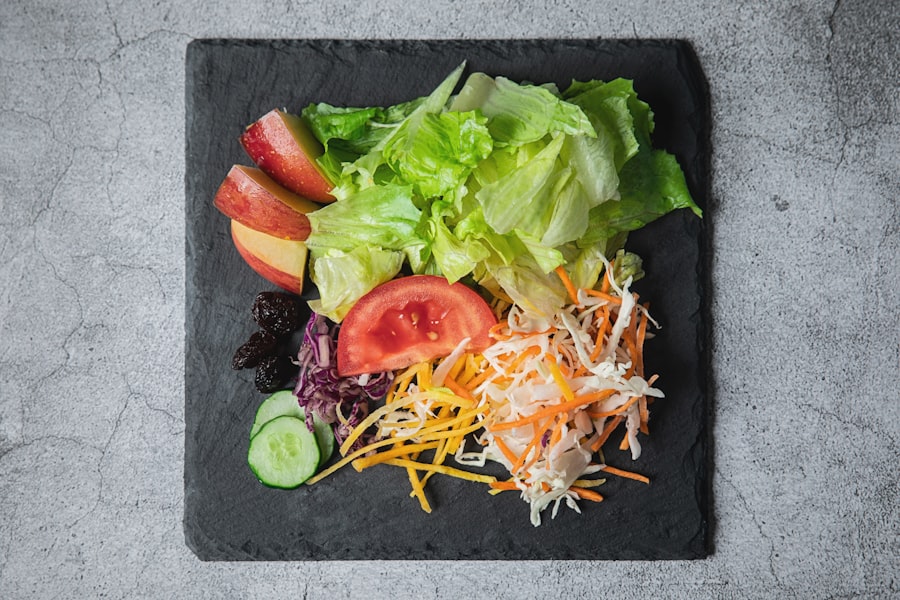
Creating your own low-sugar salad dressings at home is not only easy but also allows you to customize flavors to suit your palate. With just a few basic ingredients, you can whip up delicious dressings that enhance your salads without compromising your health goals. Start with a base of healthy fats, such as olive oil or avocado oil.
These oils not only provide richness but also contribute beneficial nutrients to your diet. From there, you can add an acid component like vinegar or citrus juice to balance the flavors. Experimenting with different types of vinegar—such as balsamic, red wine, or rice vinegar—can yield exciting results that keep your salads fresh and interesting.
To elevate your homemade dressings further, consider incorporating herbs and spices. Fresh herbs like basil, cilantro, or parsley can add vibrant flavors without any added sugars. You might also try spices like garlic powder, onion powder, or even chili flakes for an extra kick.
Blending these ingredients together in a jar or using a whisk will create a delightful dressing that you can store in the refrigerator for several days.
Tips for Choosing Low-Sugar Salad Dressings at the Grocery Store
Navigating the grocery store aisles in search of low-sugar salad dressings can be daunting, especially with so many options available. However, with a few tips in mind, you can make informed choices that align with your health goals. First and foremost, always read the nutrition labels carefully.
Look for dressings that contain less than 2 grams of sugar per serving. Many brands will highlight their low-sugar options on the front label, but it’s essential to verify this information by checking the back as well. Additionally, pay attention to serving sizes; sometimes what seems like a low-sugar option may be misleading if the serving size is smaller than what you typically use.
Another helpful tip is to familiarize yourself with common ingredients found in low-sugar dressings. Look for natural sweeteners like stevia or monk fruit instead of refined sugars or high-fructose corn syrup. You might also want to avoid dressings that contain artificial flavors or preservatives, as these can detract from the overall quality of the product.
Opting for dressings made with whole food ingredients will not only benefit your health but also enhance the flavor of your salads.
The Health Benefits of Using Low-Sugar Salad Dressings
Incorporating low-sugar salad dressings into your diet comes with numerous health benefits that extend beyond just reducing sugar intake. One significant advantage is weight management; by choosing dressings lower in sugar and calories, you can enjoy flavorful meals without derailing your dietary goals. This is particularly important if you’re trying to lose weight or maintain a healthy lifestyle.
Moreover, low-sugar dressings often contain healthier fats that are beneficial for heart health. Ingredients like olive oil are rich in monounsaturated fats, which have been shown to reduce bad cholesterol levels and lower the risk of heart disease. By replacing high-sugar dressings with these healthier alternatives, you’re not only enhancing the taste of your salads but also supporting your cardiovascular health.
Additionally, many low-sugar dressings are packed with vitamins and minerals from their natural ingredients. For instance, dressings made with fresh herbs or citrus juices can provide antioxidants that help combat inflammation and support overall wellness. By making conscious choices about what you put on your salads, you’re investing in your long-term health.
Delicious Low-Sugar Salad Dressing Recipes to Try
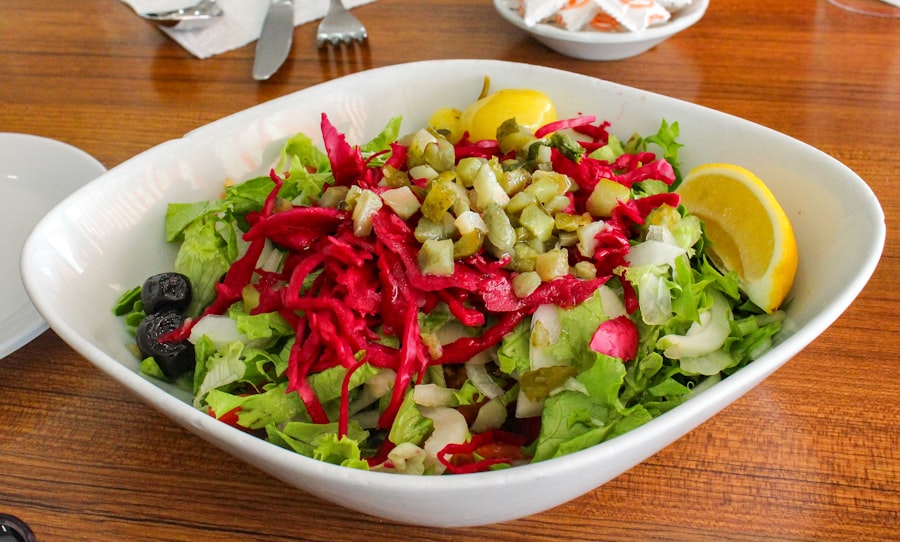
If you’re ready to take the plunge into making your own low-sugar salad dressings at home, here are some delicious recipes to get you started. Each recipe is simple yet packed with flavor, ensuring that your salads remain exciting and nutritious. One delightful option is a honey mustard vinaigrette.
Combine 2 tablespoons of Dijon mustard with 1 tablespoon of honey (or a sugar substitute), 3 tablespoons of apple cider vinegar, and 5 tablespoons of olive oil in a jar. Shake well until emulsified and enjoy this tangy dressing over mixed greens or roasted vegetables. Another fantastic recipe is an avocado lime dressing.
Blend one ripe avocado with the juice of two limes, 1/4 cup of water, and a pinch of salt until smooth. This creamy dressing is perfect for drizzling over taco salads or grain bowls and adds a refreshing twist to any dish. For those who enjoy a bit of spice, try making a chipotle ranch dressing by mixing 1/2 cup of Greek yogurt with 1 tablespoon of chipotle sauce (adjust based on your heat preference), 1 tablespoon of lime juice, and fresh herbs like cilantro or dill.
This zesty dressing pairs wonderfully with hearty salads featuring beans or grilled chicken.
Incorporating Low-Sugar Salad Dressings into Your Daily Diet
Integrating low-sugar salad dressings into your daily diet can be both enjoyable and beneficial for your health journey. One effective way to do this is by making salads a staple in your meals—whether as a side dish or the main event—allowing you to experiment with different dressings regularly. Consider preparing large batches of salads at the beginning of the week so that they are readily available when hunger strikes.
You can mix various greens and vegetables while keeping the dressing separate until you’re ready to eat; this ensures freshness and prevents sogginess. With an array of low-sugar dressings on hand, you’ll have no trouble switching up flavors throughout the week. Additionally, don’t limit yourself to just traditional salads; use low-sugar dressings as marinades for grilled meats or vegetables as well!
They can add depth and flavor while keeping your meals healthy and satisfying. By thinking outside the box and incorporating these dressings into various dishes, you’ll find it easier to maintain a balanced diet without feeling deprived.
Embracing a Healthier Lifestyle with Low-Sugar Salad Dressings
In conclusion, embracing low-sugar salad dressings is an empowering step toward achieving a healthier lifestyle. By understanding their importance and exploring various options—whether store-bought or homemade—you can enhance the flavor of your meals while keeping sugar intake in check. The benefits extend beyond just taste; they contribute positively to weight management and overall health.
As you incorporate these delicious dressings into your daily diet, you’ll discover new ways to enjoy salads and other dishes without sacrificing flavor or nutrition. With each choice you make towards healthier eating habits, you’re investing in yourself and paving the way for long-term wellness. So go ahead—experiment with different recipes and flavors—and enjoy every bite as you embark on this journey toward better health!