Navigating the world of a diabetic diet can feel overwhelming at first, but it is essential to understand its core principles. At its heart, a diabetic diet is not merely about restriction; it’s about making informed choices that promote overall health while managing blood sugar levels. The primary goal is to maintain stable glucose levels, which can be achieved through a balanced intake of carbohydrates, proteins, and fats.
This means you need to pay attention to the types of foods you consume, focusing on those that provide essential nutrients without causing spikes in your blood sugar. You may find that the diabetic diet encourages you to embrace whole foods over processed options. Whole grains, lean proteins, healthy fats, and a variety of fruits and vegetables should become staples in your meals.
Understanding how different foods affect your body is crucial. For instance, carbohydrates are not the enemy; rather, it’s about choosing the right kinds and managing their portions. By learning to read food labels and understanding glycemic index values, you can make choices that align with your health goals while still enjoying a diverse and satisfying diet.
Choosing the Right Ingredients
When it comes to selecting ingredients for your meals, quality matters just as much as quantity. You should prioritize whole, unprocessed foods that are rich in nutrients. Fresh vegetables, whole grains like quinoa and brown rice, and lean proteins such as chicken, fish, and legumes should be at the forefront of your grocery list.
These foods not only provide essential vitamins and minerals but also help stabilize blood sugar levels due to their low glycemic index. In addition to focusing on whole foods, consider incorporating a variety of colors into your meals. Each color often represents different nutrients and antioxidants that can benefit your health.
For example, leafy greens like spinach and kale are packed with vitamins A and K, while vibrant bell peppers offer a good dose of vitamin By diversifying your ingredient choices, you not only enhance the nutritional value of your meals but also keep your palate excited and engaged.
Creative Salad Combinations
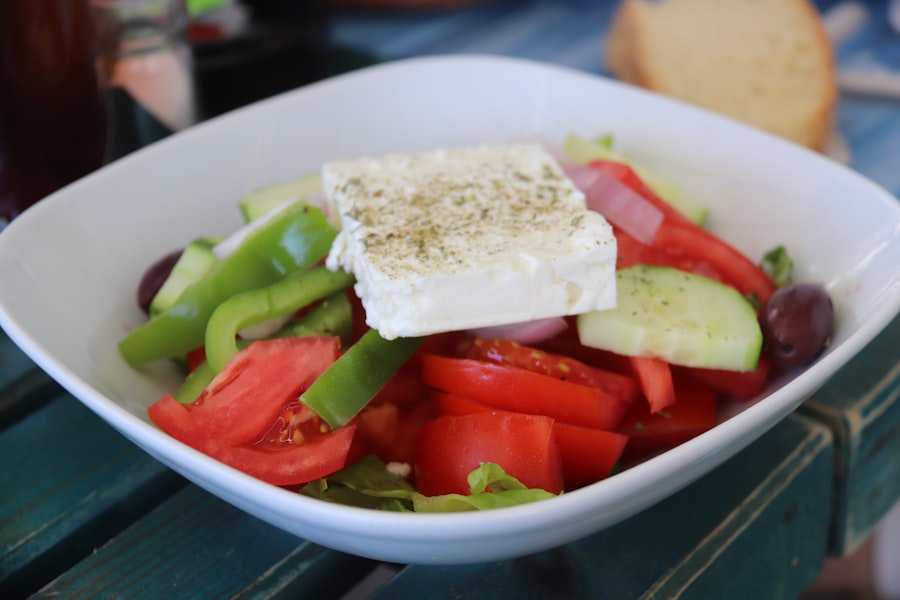
Salads can be a fantastic way to incorporate a wide range of nutrients into your diet while keeping things interesting. You might think of salads as simple bowls of lettuce, but they can be so much more than that. Start by choosing a base of dark leafy greens like spinach or arugula, which are low in calories and high in fiber.
From there, you can add a variety of colorful vegetables such as cherry tomatoes, cucumbers, and shredded carrots to create a vibrant mix. To elevate your salads further, consider adding unique ingredients that provide flavor and texture. Nuts and seeds can add a satisfying crunch while also delivering healthy fats and protein.
For instance, sprinkle some walnuts or sunflower seeds on top for an extra nutrient boost. Additionally, fruits like berries or sliced apples can introduce a hint of sweetness that complements the savory elements of your salad. With endless combinations available, you can create a new salad every day without feeling bored.
Low-Glycemic Index Options
Understanding the glycemic index (GI) is crucial for managing diabetes effectively. The GI measures how quickly foods raise blood sugar levels after consumption. Foods with a low GI are digested more slowly, leading to gradual increases in blood sugar rather than sharp spikes.
As you plan your meals, aim to incorporate more low-GI options such as legumes, non-starchy vegetables, and whole grains like barley or steel-cut oats. Incorporating low-GI foods into your diet doesn’t mean sacrificing flavor or satisfaction. For example, instead of white rice, consider using quinoa or farro as a base for your dishes.
These grains not only have a lower GI but also provide additional fiber and protein. Similarly, when choosing fruits, opt for berries or cherries over high-GI fruits like watermelon or pineapple. By making these small adjustments, you can enjoy delicious meals while keeping your blood sugar levels in check.
Incorporating Protein and Healthy Fats
Protein plays a vital role in any balanced diet, especially for those managing diabetes. It helps keep you feeling full longer and can aid in stabilizing blood sugar levels. As you plan your meals, consider incorporating lean sources of protein such as chicken breast, turkey, fish, tofu, or legumes like lentils and chickpeas.
These options not only provide essential amino acids but also contribute to overall health. Healthy fats are equally important in your diet. They help with nutrient absorption and can provide sustained energy throughout the day.
Avocados, nuts, seeds, and olive oil are excellent sources of healthy fats that can enhance the flavor of your meals while supporting heart health. When you combine protein with healthy fats in your meals, you create a balanced plate that promotes satiety and helps manage blood sugar levels effectively.
Portion Control and Monitoring Carbohydrates
Portion control is an essential aspect of managing diabetes effectively. Even healthy foods can lead to elevated blood sugar levels if consumed in excessive amounts. You should familiarize yourself with appropriate serving sizes for different food groups to help maintain balance in your meals.
Using measuring cups or a food scale can be beneficial when you’re starting out; this practice will help you develop an intuitive sense of portion sizes over time. Monitoring carbohydrates is particularly important for those with diabetes since they have the most significant impact on blood sugar levels. You may want to consider using carbohydrate counting as a strategy to manage your intake effectively.
This involves keeping track of the total grams of carbohydrates in each meal and snack throughout the day. By doing so, you can make informed decisions about what to eat while ensuring that your blood sugar remains stable.
Dressing and Flavor Enhancements
Salads and other dishes can sometimes feel bland without the right dressings or flavor enhancements. However, many store-bought dressings are high in sugars and unhealthy fats that can negatively impact your blood sugar levels. Instead of relying on these options, consider making your own dressings using simple ingredients like olive oil, vinegar, lemon juice, herbs, and spices.
This way, you can control the ingredients while adding vibrant flavors to your meals. Herbs and spices are also fantastic ways to enhance flavor without adding extra calories or sugars. Fresh herbs like basil, cilantro, or parsley can brighten up any dish while providing additional health benefits.
Spices such as cinnamon or turmeric not only add depth to your meals but also have anti-inflammatory properties that can support overall health. By experimenting with different combinations of herbs and spices, you can create delicious meals that keep your taste buds satisfied.
Meal Planning and Preparation Tips
Effective meal planning is key to maintaining a balanced diabetic diet while saving time during busy weeks. Start by dedicating some time each week to plan out your meals and snacks. This will help you avoid last-minute unhealthy choices when hunger strikes.
You might find it helpful to create a weekly menu that includes breakfast, lunch, dinner, and snacks while ensuring that each meal contains a balance of carbohydrates, proteins, and healthy fats. Preparation is equally important in making healthy eating easier. Consider batch cooking grains or proteins at the beginning of the week so that they are readily available for quick meals later on.
Pre-chopping vegetables or preparing salads in advance can also save time during busy weekdays. By having healthy options on hand, you’ll be less likely to reach for processed snacks or fast food when hunger hits. With thoughtful planning and preparation, you can enjoy a varied and satisfying diet that supports your health goals while managing diabetes effectively.