Carbohydrate counting is a crucial skill for anyone managing diabetes. By keeping track of the carbohydrates you consume, you can better control your blood sugar levels and make informed dietary choices. This method involves understanding how different foods affect your glucose levels and learning to balance your carbohydrate intake throughout the day.
You may find it helpful to familiarize yourself with the carbohydrate content of various foods, as this knowledge will empower you to make healthier choices that align with your dietary needs. As you embark on your carbohydrate counting journey, it’s essential to recognize that not all carbohydrates are created equal. Simple carbohydrates, found in sugary snacks and beverages, can cause rapid spikes in blood sugar, while complex carbohydrates, such as whole grains and legumes, are digested more slowly and provide a steadier source of energy.
By focusing on the quality of carbohydrates you consume, you can enhance your overall health and well-being while effectively managing your diabetes.
The Importance of Low-Carb Snacks for Diabetics
Incorporating low-carb snacks into your diet can be a game-changer when it comes to managing diabetes. These snacks help stabilize blood sugar levels, preventing the sharp spikes and crashes that can occur after consuming high-carb foods. By choosing low-carb options, you can maintain better control over your glucose levels while still enjoying a variety of tasty treats.
This approach not only supports your physical health but also contributes to your mental well-being by allowing you to indulge in satisfying snacks without guilt. Moreover, low-carb snacks can play a significant role in weight management, which is particularly important for individuals with diabetes. Excess weight can lead to insulin resistance, making it more challenging to control blood sugar levels.
By opting for low-carb snacks, you can reduce your overall caloric intake while still feeling full and satisfied. This balance is essential for maintaining a healthy lifestyle and achieving your long-term health goals.
5 Delicious Diabetic-Friendly Snacks Under 5 Carbs

When it comes to snacking, finding options that are both delicious and diabetic-friendly can be a challenge. However, there are plenty of tasty snacks that fit the bill and contain fewer than five grams of carbohydrates. One such option is celery sticks with cream cheese.
This crunchy snack is not only low in carbs but also provides a satisfying texture and flavor combination that you’ll love. Another great choice is hard-boiled eggs. Packed with protein and healthy fats, they are incredibly filling and versatile.
You can enjoy them plain or sprinkle them with a bit of salt and pepper for added flavor. Additionally, cheese slices or cheese sticks make for an excellent low-carb snack that is rich in calcium and protein, helping to keep you satiated between meals. If you’re in the mood for something sweet, consider a small serving of berries, such as raspberries or strawberries.
These fruits are lower in carbohydrates compared to others and are rich in antioxidants. Lastly, a handful of nuts, like almonds or walnuts, can provide healthy fats and protein while keeping your carb count low. These snacks not only taste great but also support your overall health.
Quick and Easy Low-Carb Snack Ideas for Diabetics
Finding quick and easy low-carb snack ideas can simplify your daily routine and help you stay on track with your dietary goals. One simple option is Greek yogurt topped with a sprinkle of cinnamon or a few nuts. Greek yogurt is high in protein and low in carbs, making it an ideal choice for a satisfying snack that won’t spike your blood sugar.
Another effortless idea is to prepare vegetable sticks, such as cucumber or bell pepper, paired with hummus or guacamole. These dips are not only delicious but also provide healthy fats and fiber that can help keep you full longer. You might also enjoy making mini lettuce wraps filled with turkey or chicken slices, adding some mustard or avocado for extra flavor without the carbs.
For those busy days when you need something portable, consider pre-packaging small servings of cheese cubes or slices along with some olives or pickles. These snacks are easy to grab on the go and require no preparation time. By having these options readily available, you can avoid reaching for high-carb snacks when hunger strikes.
How to Incorporate Low-Carb Snacks into a Diabetic Meal Plan
Incorporating low-carb snacks into your diabetic meal plan requires some thoughtful planning and consideration. Start by assessing your daily carbohydrate allowance based on your individual dietary needs and preferences. Once you have a clear understanding of how many carbs you can consume throughout the day, you can strategically place low-carb snacks between meals to help maintain stable blood sugar levels.
Consider creating a weekly meal plan that includes designated snack times. This structure will not only help you stay organized but also ensure that you have healthy options available when hunger arises. For instance, if you typically experience cravings in the afternoon, plan to have a low-carb snack ready during that time to prevent reaching for less healthy alternatives.
Additionally, be mindful of portion sizes when incorporating snacks into your meal plan. Even low-carb snacks can contribute to your overall carbohydrate intake if consumed in large quantities. By measuring out portions ahead of time or using pre-packaged snacks, you can better manage your carb consumption while still enjoying a variety of flavors and textures throughout the day.
Tips for Reading Nutrition Labels to Identify Low-Carb Snacks
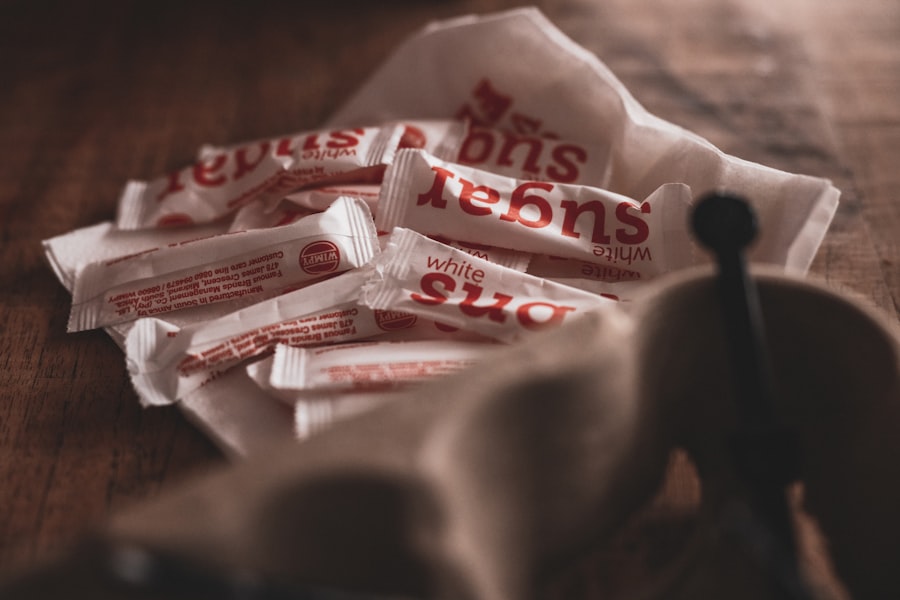
Understanding how to read nutrition labels is essential for identifying low-carb snacks that fit within your dietary guidelines. Start by looking at the total carbohydrate content per serving size listed on the label. This number will give you a clear idea of how many carbs you’ll be consuming if you choose that particular snack.
Next, pay attention to the fiber content as well. Fiber is a type of carbohydrate that your body cannot digest, meaning it doesn’t raise blood sugar levels like other carbs do. When calculating net carbs (the total carbs minus fiber), you’ll have a better understanding of how the snack will affect your blood sugar levels.
For example, if a snack has 10 grams of total carbohydrates and 5 grams of fiber, it effectively has 5 net carbs. Lastly, be cautious of added sugars in the ingredient list. Many processed snacks may contain hidden sugars that can significantly increase their carbohydrate content.
Look for products labeled as “sugar-free” or “no added sugars” to ensure you’re making healthier choices that align with your dietary needs.
The Role of Protein and Fiber in Diabetic-Friendly Snacks
Protein and fiber play vital roles in creating diabetic-friendly snacks that help maintain stable blood sugar levels. Protein helps slow down digestion and promotes satiety, which means you’ll feel fuller for longer after snacking. Including protein-rich foods like nuts, cheese, or Greek yogurt in your snacks can help curb cravings and prevent overeating later on.
Fiber is equally important as it aids in digestion and helps regulate blood sugar levels by slowing the absorption of glucose into the bloodstream. High-fiber snacks such as vegetables, legumes, or whole grains can provide essential nutrients while keeping your carb intake in check. By combining protein and fiber in your snacks, you create a balanced option that supports both energy levels and overall health.
When planning your snacks, aim for combinations that include both protein and fiber for maximum benefits. For instance, pairing apple slices with almond butter offers a delicious mix of fiber from the apple and protein from the nut butter, making it an excellent choice for maintaining stable blood sugar levels.
Portion Control and Low-Carb Snacking for Diabetics
Portion control is an essential aspect of successful low-carb snacking for diabetics. Even healthy snacks can contribute to excessive carbohydrate intake if consumed in large quantities. To avoid this pitfall, consider using measuring cups or food scales to determine appropriate serving sizes for your favorite low-carb options.
Another effective strategy is to pre-portion snacks into individual containers or bags. This practice not only helps with portion control but also makes it easier to grab a healthy snack when you’re on the go. By having pre-measured portions readily available, you’ll be less likely to overindulge or reach for high-carb alternatives when hunger strikes.
Lastly, listen to your body’s hunger cues as you navigate portion control with low-carb snacking. Eating mindfully allows you to enjoy your food while recognizing when you’re satisfied. By focusing on quality over quantity and being aware of how different snacks affect your body, you’ll be better equipped to manage your diabetes while still enjoying delicious treats throughout the day.