The Glycemic Index (GI) is a valuable tool that helps you understand how different foods affect your blood sugar levels. It ranks carbohydrates on a scale from 0 to 100 based on how quickly they raise blood glucose after consumption. Foods with a high GI, such as white bread and sugary snacks, can cause rapid spikes in blood sugar, while low-GI foods, like whole grains and legumes, lead to a more gradual increase.
This distinction is crucial for maintaining stable energy levels and overall health. By familiarizing yourself with the GI of various foods, you can make informed choices that align with your dietary goals. Understanding the glycemic index can empower you to take control of your eating habits.
When you choose low-GI foods, you not only help regulate your blood sugar but also promote feelings of fullness and satisfaction. This can be particularly beneficial if you’re looking to manage your weight or improve your overall well-being. By incorporating more low-GI options into your meals, you can create a balanced diet that supports your body’s needs while minimizing the risk of energy crashes and cravings.
Importance of Low-Glycemic Dinners for Better Sleep
Eating a low-glycemic dinner can significantly impact the quality of your sleep. When you consume high-GI foods in the evening, your body experiences rapid fluctuations in blood sugar levels, which can lead to restlessness and difficulty falling asleep. In contrast, low-GI meals provide a steady release of energy, helping to stabilize your blood sugar throughout the night.
This stability is essential for promoting restful sleep, as it allows your body to focus on restorative processes rather than managing blood sugar spikes. Moreover, low-glycemic dinners can help regulate hormones that are crucial for sleep. For instance, consuming foods that promote the production of serotonin and melatonin can enhance your ability to fall asleep and stay asleep.
By prioritizing low-GI options in your evening meals, you create an environment conducive to relaxation and rejuvenation. This not only improves your sleep quality but also enhances your overall mood and cognitive function during the day.
Low-Glycemic Dinner Ideas
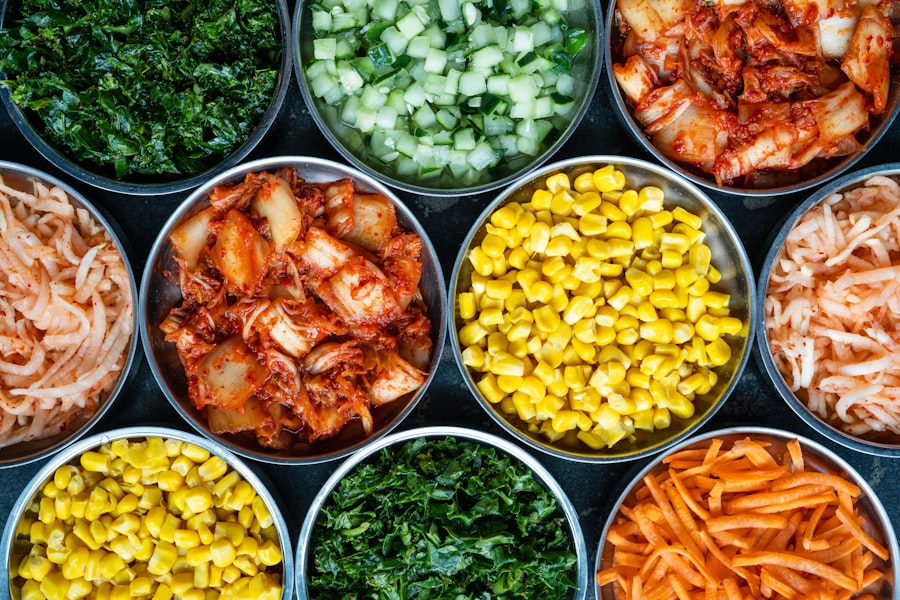
When it comes to crafting low-glycemic dinners, the possibilities are endless. You might consider starting with a hearty salad featuring leafy greens, cherry tomatoes, cucumbers, and a protein source like grilled chicken or chickpeas. Drizzle it with a homemade vinaigrette made from olive oil and vinegar for added flavor without spiking your blood sugar.
Another delicious option could be a stir-fry made with colorful vegetables such as bell peppers, broccoli, and snap peas, tossed with tofu or shrimp and served over quinoa or brown rice. For those who enjoy comfort food, consider preparing a lentil stew packed with vegetables and spices. Lentils are not only low on the glycemic index but also rich in fiber and protein, making them an excellent choice for dinner.
Pair this stew with a side of roasted sweet potatoes or a whole-grain roll for a satisfying meal that won’t disrupt your sleep. By exploring various recipes and ingredients, you can create diverse and enjoyable low-GI dinners that cater to your taste preferences.
Incorporating Protein and Healthy Fats
Incorporating protein and healthy fats into your low-glycemic dinners is essential for achieving balanced meals that keep you satisfied. Protein sources such as lean meats, fish, eggs, legumes, and dairy products not only provide essential nutrients but also help stabilize blood sugar levels. When you include protein in your meals, you slow down the digestion of carbohydrates, leading to a more gradual release of glucose into the bloodstream.
Healthy fats are equally important in promoting satiety and enhancing the flavor of your dishes. Foods like avocados, nuts, seeds, and olive oil are excellent sources of healthy fats that can complement your low-GI meals beautifully. For instance, adding sliced avocado to your salad or drizzling olive oil over roasted vegetables can elevate the nutritional profile of your dinner while keeping you full longer.
By thoughtfully combining protein and healthy fats with low-GI carbohydrates, you create meals that nourish both your body and mind.
Choosing Whole Grains and Fiber-Rich Foods
Whole grains are a cornerstone of any low-glycemic diet. Unlike their refined counterparts, whole grains retain their bran and germ layers, which are rich in fiber and essential nutrients. Foods like brown rice, quinoa, barley, and whole wheat pasta have a lower glycemic index compared to white rice or regular pasta.
By opting for whole grains in your dinners, you not only support stable blood sugar levels but also promote digestive health. Fiber-rich foods play a crucial role in maintaining satiety and regulating blood sugar levels. Incorporating vegetables such as broccoli, spinach, carrots, and beans into your meals can significantly enhance their fiber content.
These foods not only provide essential vitamins and minerals but also contribute to a feeling of fullness that can prevent overeating later in the evening. By prioritizing whole grains and fiber-rich foods in your dinner choices, you set yourself up for success in achieving better sleep and overall health.
Avoiding High-Glycemic Foods

To create low-glycemic dinners that promote better sleep, it’s essential to be mindful of high-glycemic foods that can disrupt your blood sugar balance. Foods such as white bread, pastries, sugary cereals, and certain processed snacks can lead to rapid spikes in glucose levels. These fluctuations can leave you feeling jittery or fatigued, making it difficult to unwind at the end of the day.
Instead of reaching for these high-GI options, consider healthier alternatives that provide sustained energy without compromising your sleep quality. For example, swap out white rice for quinoa or brown rice, and choose whole-grain bread over white bread for sandwiches or toast. By consciously avoiding high-glycemic foods during dinner time, you create an environment that fosters relaxation and prepares your body for restorative sleep.
Balancing Macronutrients for Better Sleep
Achieving a balance of macronutrients—carbohydrates, proteins, and fats—is vital for promoting better sleep quality. Each macronutrient plays a unique role in supporting bodily functions and maintaining energy levels throughout the day. When planning your low-glycemic dinners, aim for a harmonious blend of these nutrients to ensure you’re meeting your body’s needs.
For instance, consider pairing lean protein sources like grilled salmon or chicken with complex carbohydrates such as sweet potatoes or whole-grain pasta. Add a generous serving of non-starchy vegetables to round out the meal with fiber and essential vitamins. This balanced approach not only helps regulate blood sugar levels but also provides the necessary nutrients for optimal health and restful sleep.
Tips for Creating Low-Glycemic Dinner Meals
Creating low-glycemic dinner meals doesn’t have to be complicated; it can be both enjoyable and rewarding. Start by planning your meals ahead of time to ensure you have all the necessary ingredients on hand. This will help you avoid last-minute decisions that may lead to high-GI choices.
Experiment with different cooking methods such as grilling, roasting, or steaming to enhance flavors without adding unhealthy fats or sugars. Another helpful tip is to incorporate herbs and spices into your dishes for added flavor without extra calories or carbohydrates. Fresh herbs like basil, cilantro, or parsley can elevate the taste of any meal while providing additional health benefits.
Lastly, don’t hesitate to get creative with leftovers; they can be transformed into new low-GI meals throughout the week. By following these tips and embracing a variety of ingredients, you’ll find it easier to enjoy delicious low-glycemic dinners that support better sleep and overall well-being.