In recent years, the trend of sugar-free baking has gained significant momentum, appealing to health-conscious individuals and those with dietary restrictions. You may find yourself drawn to this approach for various reasons, whether it’s to reduce calorie intake, manage blood sugar levels, or simply explore new culinary avenues. The idea of baking without sugar might initially seem daunting, but it opens up a world of creativity and flavor that you might not have considered before.
By embracing sugar-free baking, you can enjoy delicious treats while maintaining a healthier lifestyle. As you embark on this journey, it’s essential to understand that sugar serves multiple roles in baking. It not only sweetens but also contributes to texture, moisture, and color.
Therefore, when you eliminate sugar from your recipes, you’ll need to find suitable alternatives that can replicate these qualities. This article will guide you through various substitutes and techniques that will help you create delightful sugar-free baked goods without sacrificing taste or texture. With a little experimentation and an open mind, you’ll discover that sugar-free baking can be just as satisfying as traditional methods.
Natural Sweeteners as Sugar Substitutes
When it comes to sugar-free baking, natural sweeteners are often the first alternative that comes to mind. These sweeteners are derived from plants and offer a more wholesome option compared to refined sugars. One popular choice is honey, which not only adds sweetness but also brings a unique flavor profile to your baked goods.
You might find that using honey in recipes like muffins or cakes can enhance the overall taste while providing some nutritional benefits. However, keep in mind that honey is still a form of sugar and should be used in moderation. Another excellent natural sweetener is maple syrup.
Its rich, earthy flavor can elevate your baked treats, making them feel indulgent without the guilt. You can easily substitute maple syrup for sugar in many recipes, but remember that it has a higher liquid content. This means you may need to adjust the other liquids in your recipe to maintain the right consistency.
Agave nectar is another option worth considering; it’s sweeter than sugar and has a lower glycemic index, making it a favorite among those looking to manage their blood sugar levels. As you experiment with these natural sweeteners, you’ll find that they can add depth and complexity to your baking.
Artificial Sweeteners for Baking
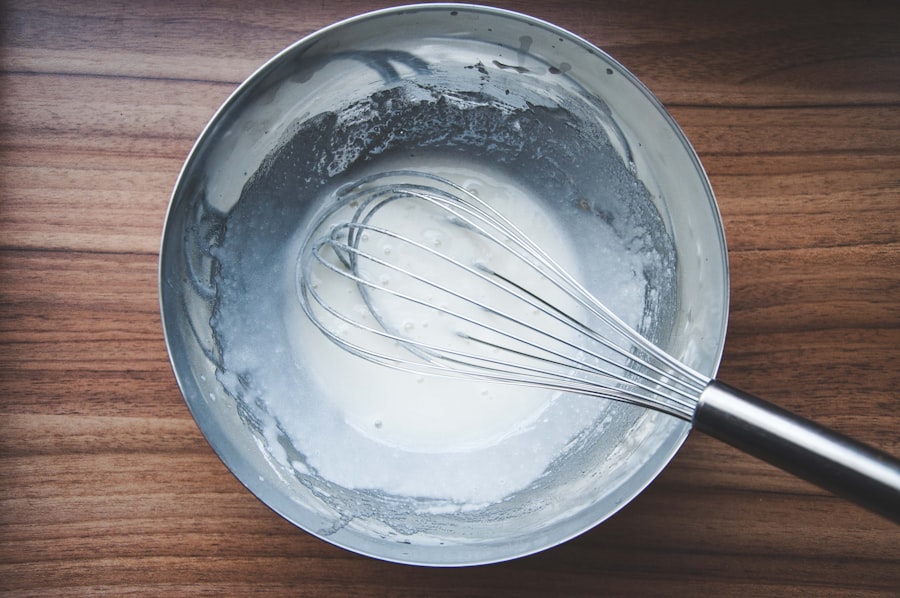
Artificial sweeteners have become increasingly popular in the realm of sugar-free baking due to their ability to provide sweetness without the calories associated with sugar. You may be familiar with options like aspartame, sucralose, and saccharin, which are often found in various food products. These sweeteners can be a great way to satisfy your sweet tooth while keeping your calorie count low.
However, it’s essential to understand how they behave in baking since they can differ significantly from sugar in terms of taste and texture. One of the most widely used artificial sweeteners is stevia, which is derived from the leaves of the Stevia rebaudiana plant. Stevia is incredibly potent—much sweeter than sugar—so a little goes a long way.
When using stevia in your baking, you may need to experiment with the quantities to achieve the desired sweetness without overpowering the other flavors in your recipe. Additionally, some brands of stevia come blended with other ingredients to improve texture and taste, making them more suitable for baking. As you explore artificial sweeteners, be mindful of their aftertastes and how they interact with other ingredients in your recipes.
Fruit Purees and Juices for Sweetness
Fruit purees and juices are another fantastic way to add natural sweetness to your baked goods while incorporating additional nutrients. You might find that using applesauce is particularly effective in recipes like cakes and brownies, where its moisture content can enhance the overall texture. Applesauce not only provides sweetness but also helps keep your baked goods tender and moist.
Similarly, mashed bananas can serve as a great substitute for sugar in recipes like muffins or pancakes, imparting a subtle flavor that complements many ingredients. In addition to applesauce and bananas, consider using pureed dates or prunes as sweeteners in your baking endeavors. These fruits are naturally high in sugars and can add a rich flavor while also providing fiber and other health benefits.
When using fruit purees, it’s essential to adjust the liquid content in your recipes accordingly since they add moisture. By incorporating these natural fruit-based sweeteners into your baking repertoire, you’ll not only reduce added sugars but also enhance the nutritional profile of your treats.
Nut Butters and Coconut Products in Baking
Nut butters and coconut products are versatile ingredients that can add both flavor and sweetness to your sugar-free baked goods. Almond butter, peanut butter, or cashew butter can bring a creamy texture and nutty flavor that complements various recipes. You might find that incorporating nut butter into cookies or brownies not only enhances their taste but also adds healthy fats and protein, making them more satisfying.
Coconut products, such as coconut flour or shredded coconut, can also play a significant role in sugar-free baking. Coconut flour is naturally sweet and can be used as a substitute for regular flour in many recipes. However, it absorbs more moisture than traditional flour, so you’ll need to adjust the liquid content accordingly.
Shredded coconut can add texture and a hint of sweetness to muffins or cakes, creating a delightful contrast with other ingredients. By experimenting with nut butters and coconut products, you’ll discover new dimensions of flavor in your baking.
Using Spices and Flavorings for Sweetness
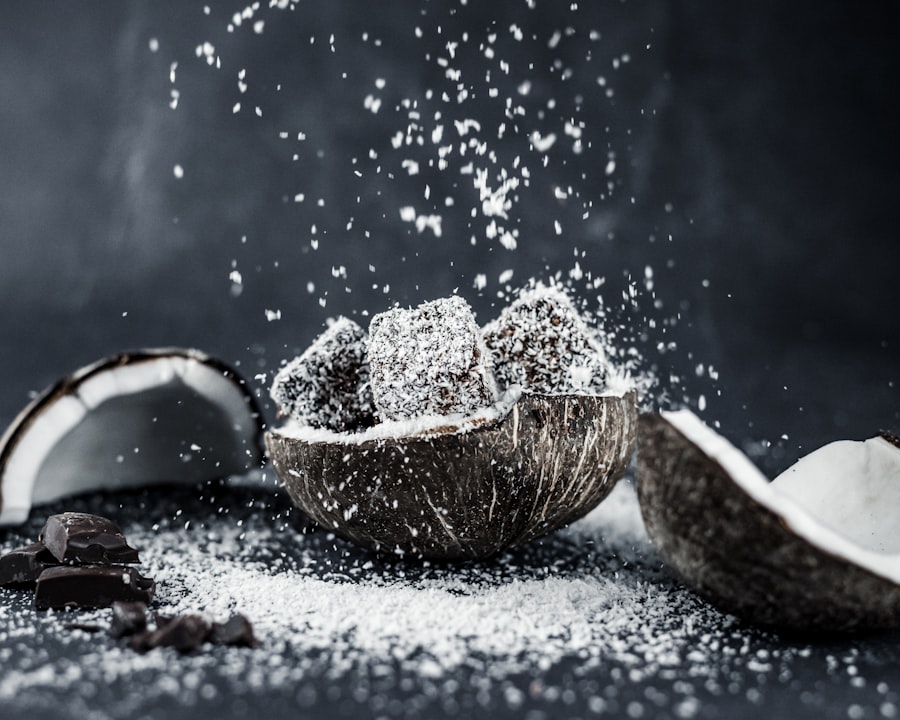
When you’re looking to enhance sweetness without adding sugar, spices and flavorings can be your best friends in the kitchen. Ingredients like cinnamon, nutmeg, vanilla extract, and almond extract can elevate the flavor profile of your baked goods while providing a sense of sweetness without relying on traditional sweeteners. For instance, adding a teaspoon of cinnamon to your oatmeal cookies can create a warm and inviting flavor that makes them feel indulgent.
Vanilla extract is another powerful ingredient that can enhance sweetness perception in your baked goods. A splash of vanilla can transform an otherwise simple recipe into something extraordinary by adding depth and richness. Similarly, almond extract offers a unique flavor that pairs well with many baked items, from cakes to pastries.
By incorporating these spices and flavorings into your recipes, you’ll find that you can achieve a satisfying level of sweetness while keeping your treats sugar-free.
Tips for Baking with Sugar-Free Substitutes
As you venture into the world of sugar-free baking, there are several tips and tricks that can help ensure your success. First and foremost, it’s crucial to understand that not all substitutes behave the same way as sugar does in recipes. This means you may need to experiment with different combinations of sweeteners to achieve the desired taste and texture.
Don’t be afraid to try out various options until you find what works best for you. Another important tip is to pay attention to the balance of flavors in your recipes. Since sugar contributes not only sweetness but also enhances other flavors, you may need to adjust the amounts of other ingredients accordingly.
For example, if you’re using a particularly strong sweetener like stevia or concentrated fruit puree, consider reducing the amount of other flavorings or spices to create harmony in your baked goods. Lastly, keep track of your adjustments so you can replicate successful outcomes in future baking endeavors.
Conclusion and Recipe Ideas for Sugar-Free Baking
In conclusion, sugar-free baking offers an exciting opportunity for you to explore new flavors and healthier alternatives while still enjoying delicious treats. By utilizing natural sweeteners, artificial sweeteners, fruit purees, nut butters, coconut products, and spices, you can create an array of delightful baked goods that cater to various dietary needs without compromising on taste or texture. As you experiment with these ingredients and techniques, you’ll likely discover new favorites that become staples in your kitchen.
To get you started on your sugar-free baking journey, consider trying out some simple recipes such as banana oat muffins sweetened with mashed bananas and cinnamon or chocolate chip cookies made with almond butter and stevia. You could also whip up a rich chocolate cake using applesauce as a sweetener or create energy bites using dates and nut butter for a quick snack on the go. The possibilities are endless when it comes to sugar-free baking; all it takes is a little creativity and willingness to experiment!