When you consume sugar, your body breaks it down into glucose, which enters your bloodstream. This process triggers the pancreas to release insulin, a hormone that helps cells absorb glucose for energy. However, if you have diabetes or are pre-diabetic, your body may struggle to manage these sugar spikes effectively.
Elevated blood sugar levels can lead to a range of health complications, including fatigue, increased thirst, and long-term issues such as nerve damage and cardiovascular disease. Understanding how sugar affects your blood sugar levels is crucial for maintaining your overall health and well-being. The glycemic index (GI) is a valuable tool that can help you gauge how different foods impact your blood sugar.
Foods with a high GI cause rapid spikes in blood sugar, while those with a low GI result in a more gradual increase. By being mindful of the types of sugars and carbohydrates you consume, you can make informed choices that support stable blood sugar levels. This knowledge empowers you to take control of your diet and make healthier decisions, especially when it comes to baking and enjoying sweet treats.
Substitutes for Sugar in Baking
When it comes to baking, finding suitable substitutes for sugar can be a game-changer for those looking to reduce their sugar intake. You might consider using natural sweeteners like honey or maple syrup, which not only add sweetness but also bring unique flavors to your baked goods. However, it’s essential to remember that these alternatives still contain sugars and can affect your blood sugar levels, albeit in different ways than refined sugar.
Therefore, moderation is key when incorporating these substitutes into your recipes. Another popular option is using artificial sweeteners such as stevia or erythritol. These sweeteners provide the sweetness you crave without the calories associated with traditional sugar.
They can be particularly useful in recipes where you want to maintain the texture and moisture of baked goods without the added sugars. As you experiment with these substitutes, keep in mind that each one has its own unique properties and may require adjustments in your recipes to achieve the desired taste and texture.
Tips for Adjusting Recipes for Diabetic-Friendly Baking
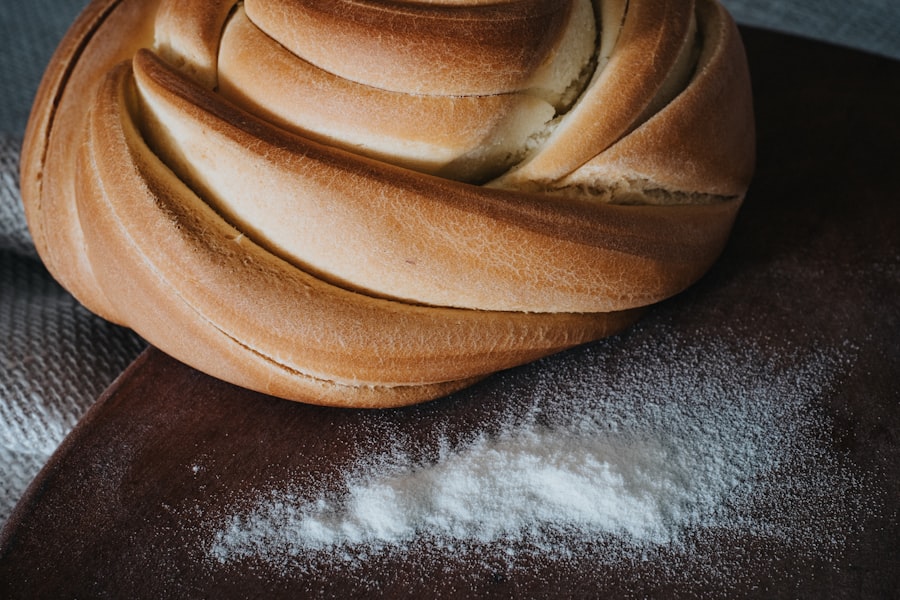
Adjusting recipes for diabetic-friendly baking can seem daunting at first, but with a few simple strategies, you can create delicious treats that align with your dietary needs. Start by reducing the overall amount of sugar in your recipes. Many baked goods can still taste delightful with significantly less sugar than traditional recipes call for.
You might find that cutting the sugar by one-third or even half still yields satisfying results without compromising flavor. In addition to reducing sugar, consider incorporating ingredients that enhance sweetness naturally. For instance, using ripe bananas or unsweetened applesauce can add moisture and sweetness without the need for added sugars.
You can also experiment with spices like cinnamon or vanilla extract, which can enhance the perception of sweetness in your baked goods. By being creative and resourceful in your adjustments, you can enjoy baking while keeping your blood sugar levels in check.
Choosing the Right Flours for Diabetic-Friendly Baking
The type of flour you choose plays a significant role in the overall healthiness of your baked goods. Traditional all-purpose flour is high in carbohydrates and can lead to spikes in blood sugar levels. Instead, consider using whole grain flours like whole wheat or spelt flour, which contain more fiber and nutrients.
The added fiber helps slow down the absorption of glucose into your bloodstream, making it a better choice for those managing diabetes. Almond flour and coconut flour are also excellent alternatives that are lower in carbohydrates and higher in healthy fats. These flours not only provide a unique flavor but also contribute to a more satisfying texture in your baked goods.
When using alternative flours, be aware that they may require different ratios compared to all-purpose flour, so be prepared to experiment until you find the right balance for your recipes.
Incorporating Fruits and Vegetables in Baked Goods
Incorporating fruits and vegetables into your baked goods is an excellent way to boost their nutritional value while adding natural sweetness. Fruits like berries, apples, and bananas can enhance flavor and moisture while providing essential vitamins and minerals. For example, adding mashed bananas to muffins or incorporating grated zucchini into bread can create delicious treats that are also packed with nutrients.
Vegetables may not be the first ingredient that comes to mind when baking, but they can work wonders in various recipes. Carrots, for instance, are often used in carrot cake and add natural sweetness along with fiber and vitamins. Similarly, pureed pumpkin can be used in pies and breads to create moist textures while contributing beneficial nutrients.
By creatively incorporating fruits and vegetables into your baking, you can enjoy treats that are both satisfying and nourishing.
Using Natural Sweeteners in Baking

Natural sweeteners have gained popularity as healthier alternatives to refined sugars, making them an excellent choice for diabetic-friendly baking. Stevia is one such option derived from the leaves of the stevia plant; it is calorie-free and much sweeter than sugar, meaning you need only a small amount to achieve the desired sweetness. When using stevia in baking, it’s essential to follow conversion guidelines since it doesn’t behave like sugar in terms of volume.
Another natural sweetener worth considering is monk fruit extract, which is derived from monk fruit and contains zero calories. It has a pleasant taste that doesn’t leave a bitter aftertaste like some artificial sweeteners do. When using monk fruit extract in your recipes, keep in mind that it may require adjustments to achieve the right level of sweetness.
By exploring these natural sweeteners, you can create delicious baked goods that satisfy your sweet tooth without compromising your health.
Managing Portion Sizes and Frequency of Baked Treats
Even with diabetic-friendly ingredients and recipes, portion control remains crucial when enjoying baked treats. It’s easy to overindulge when faced with delicious desserts, but being mindful of portion sizes can help you maintain stable blood sugar levels. Consider using smaller baking pans or muffin tins to create individual servings that are easier to manage.
This way, you can enjoy a treat without going overboard on calories or carbohydrates. Additionally, think about the frequency with which you indulge in baked goods. While it’s perfectly fine to enjoy a sweet treat occasionally, making it a daily habit may lead to unwanted spikes in blood sugar levels.
Establishing a balanced approach by reserving baked treats for special occasions or as an occasional reward can help you maintain a healthier lifestyle while still satisfying your cravings.
Seeking Professional Guidance for Diabetic-Friendly Baking
If you’re unsure where to start with diabetic-friendly baking or need personalized advice tailored to your specific needs, seeking professional guidance can be incredibly beneficial. A registered dietitian or nutritionist specializing in diabetes management can provide valuable insights into meal planning and recipe modifications that suit your lifestyle. They can help you understand how different ingredients affect blood sugar levels and guide you toward healthier choices.
Additionally, attending cooking classes focused on diabetic-friendly baking can be an enjoyable way to learn new techniques while connecting with others who share similar dietary goals. These classes often provide hands-on experience with alternative ingredients and methods that make baking both fun and accessible. By seeking professional guidance, you empower yourself with knowledge and skills that will enhance your baking experience while prioritizing your health.