The Low-Glycemic Index (GI) is a nutritional concept that categorizes foods based on how they affect blood sugar levels. Foods are assigned a GI score, which ranges from 0 to 100, with lower scores indicating a slower, more gradual increase in blood sugar. This is particularly important for individuals looking to manage their weight, control diabetes, or maintain steady energy levels throughout the day.
Foods with a low GI score (typically 55 or less) are digested and absorbed more slowly, leading to a more stable release of glucose into the bloodstream. Understanding the Low-Glycemic Index can empower you to make healthier food choices. By opting for low-GI foods, you can help regulate your blood sugar levels, reduce cravings, and improve overall health.
This approach encourages the consumption of whole, unprocessed foods such as vegetables, whole grains, legumes, and certain fruits. By incorporating these foods into your diet, you can enjoy meals that not only taste great but also support your long-term health goals.
Benefits of Low-Glycemic Sheet Pan Dinners
Low-glycemic sheet pan dinners offer a multitude of benefits that can enhance your culinary experience while promoting better health. One of the most significant advantages is the simplicity and convenience they provide. With just one pan to prepare and clean, you can create a nutritious meal without the hassle of multiple pots and pans.
This makes it an ideal option for busy weeknights when time is of the essence. You can easily toss together a variety of low-GI ingredients, pop them in the oven, and let them cook while you attend to other tasks. Another benefit of low-glycemic sheet pan dinners is their versatility.
You have the freedom to mix and match different proteins, vegetables, and seasonings to suit your taste preferences. This flexibility allows you to experiment with flavors and textures while ensuring that your meals remain healthy and satisfying. Additionally, by focusing on low-GI ingredients, you can create dishes that keep you feeling full longer, reducing the likelihood of snacking on unhealthy options later in the evening.
Tips for Creating Low-Glycemic Sheet Pan Dinners
When crafting your low-glycemic sheet pan dinners, there are several tips to keep in mind that will elevate your cooking game. First and foremost, focus on incorporating a variety of colorful vegetables. Not only do they add visual appeal to your meal, but they also provide essential vitamins and minerals.
Think about using bell peppers, zucchini, broccoli, and carrots as your base. These vegetables are not only low on the glycemic index but also rich in fiber, which aids digestion and promotes satiety. Another key tip is to choose lean proteins that complement your vegetable selection.
Options like chicken breast, turkey, fish, or plant-based proteins such as tofu or tempeh can be excellent choices. Marinating your proteins in low-GI sauces or spices can enhance flavor while keeping your meal healthy. Additionally, consider adding whole grains like quinoa or brown rice as a side dish; these grains have a lower GI compared to their refined counterparts and can round out your meal beautifully.
Delicious Low-Glycemic Sheet Pan Dinner Recipes
Creating delicious low-glycemic sheet pan dinners is easier than you might think. One popular recipe involves roasted chicken thighs with sweet potatoes and Brussels sprouts. Start by marinating the chicken in olive oil, garlic, and herbs for added flavor.
Arrange the chicken on a sheet pan alongside cubed sweet potatoes and halved Brussels sprouts. Drizzle everything with a bit more olive oil and season with salt and pepper before roasting until golden brown. The combination of protein and fiber-rich vegetables makes for a satisfying meal that won’t spike your blood sugar.
Another fantastic option is a Mediterranean-inspired sheet pan dinner featuring salmon, cherry tomatoes, and asparagus. Season the salmon fillets with lemon juice, garlic, and fresh herbs like dill or parsley. Place them on a sheet pan with halved cherry tomatoes and trimmed asparagus spears.
The vibrant colors and flavors will not only make your meal visually appealing but also provide a wealth of nutrients. Roast until the salmon is flaky and the vegetables are tender for a quick yet impressive dinner.
How to Choose Low-Glycemic Ingredients
Selecting low-glycemic ingredients is crucial for creating balanced meals that support your health goals. Start by familiarizing yourself with foods that have a low GI score. Non-starchy vegetables such as leafy greens, broccoli, cauliflower, and bell peppers should be staples in your pantry.
These vegetables are not only low in carbohydrates but also packed with vitamins and minerals that contribute to overall well-being. When it comes to grains, opt for whole grains like quinoa, barley, or farro instead of refined grains like white rice or pasta. These whole grains have a lower glycemic index due to their higher fiber content, which helps slow down digestion and maintain stable blood sugar levels.
Additionally, consider incorporating legumes such as lentils or chickpeas into your meals; they are excellent sources of protein and fiber while being low on the glycemic index.
Time-Saving Tips for Low-Glycemic Sheet Pan Dinners
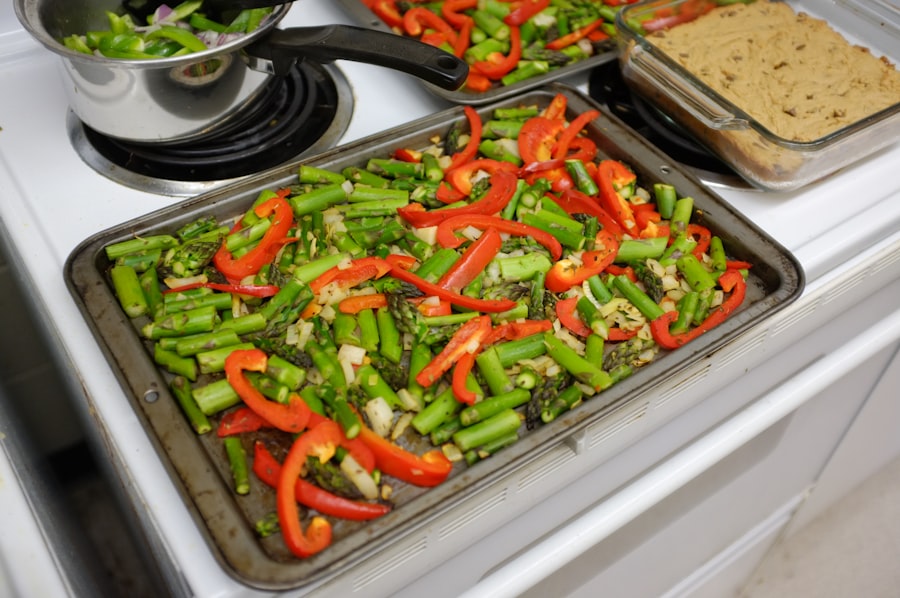
Time management is essential when preparing low-glycemic sheet pan dinners, especially during busy weekdays. One effective strategy is to prep your ingredients in advance. Spend some time on the weekend chopping vegetables or marinating proteins so that you can quickly assemble your meal during the week.
This not only saves time but also makes it easier to stick to your healthy eating goals. Another time-saving tip is to utilize frozen vegetables when fresh options aren’t available or when you’re short on time. Frozen vegetables are often flash-frozen at their peak ripeness, preserving their nutrients while providing convenience.
Simply toss them onto your sheet pan with your chosen protein and seasonings for a quick meal that doesn’t compromise on health.
Serving Suggestions for Low-Glycemic Sheet Pan Dinners
When it comes to serving your low-glycemic sheet pan dinners, presentation can make all the difference. Consider garnishing your dishes with fresh herbs or a squeeze of lemon juice to enhance flavor and visual appeal. A sprinkle of feta cheese or avocado slices can also add creaminess and richness without significantly impacting the glycemic index of your meal.
Pairing your sheet pan dinner with a simple side salad can elevate the dining experience further. A mixed greens salad with a light vinaigrette complements the heartiness of your main dish while adding freshness and crunch. This combination not only enhances flavor but also increases the overall nutritional value of your meal.
Making Low-Glycemic Sheet Pan Dinners a Regular Part of Your Meal Planning
Incorporating low-glycemic sheet pan dinners into your regular meal planning can be both enjoyable and beneficial for your health. Start by dedicating one night each week to prepare these meals; this will help establish a routine that makes healthy eating more manageable. As you become more comfortable with the process, you can experiment with new recipes and ingredients to keep things exciting.
Additionally, consider creating a rotating menu of your favorite low-glycemic sheet pan dinners to simplify grocery shopping and meal prep. By having a list of go-to recipes on hand, you’ll find it easier to stick to your healthy eating goals while enjoying delicious meals that nourish your body. Embracing this approach will not only enhance your culinary skills but also contribute positively to your overall well-being in the long run.