The glycemic index (GI) is a valuable tool that helps you understand how different foods affect your blood sugar levels. Foods are ranked on a scale from 0 to 100 based on how quickly they raise blood glucose levels after consumption. Low-glycemic foods, typically those with a GI of 55 or less, are digested and absorbed more slowly, leading to a gradual rise in blood sugar.
This slow release of glucose can help you maintain steady energy levels throughout the day, making it easier to avoid the dreaded energy crashes that often accompany high-GI foods. By focusing on low-glycemic foods, you can also support your overall health. Research suggests that a diet rich in low-GI foods may reduce the risk of developing type 2 diabetes, heart disease, and obesity.
When you choose foods that have a lower impact on your blood sugar, you are not only making a choice for better energy management but also for long-term health benefits. Understanding the glycemic index empowers you to make informed dietary choices that align with your health goals.
Benefits of Low-Glycemic Meal Prep Bowls
Low-glycemic meal prep bowls offer a multitude of benefits that can enhance your overall well-being. One of the most significant advantages is their ability to help you maintain stable blood sugar levels. When you consume meals that are low on the glycemic index, you can avoid the spikes and crashes associated with high-GI foods.
This stability can lead to improved mood, better focus, and increased productivity throughout your day. Additionally, low-glycemic meal prep bowls can be incredibly satisfying and nutritious. By incorporating a variety of whole foods such as vegetables, lean proteins, and healthy fats, you create meals that are not only delicious but also packed with essential nutrients.
This combination can help you feel fuller for longer, reducing the likelihood of unhealthy snacking between meals. As a result, you may find it easier to manage your weight and make healthier choices overall.
Essential Ingredients for Low-Glycemic Meal Prep Bowls
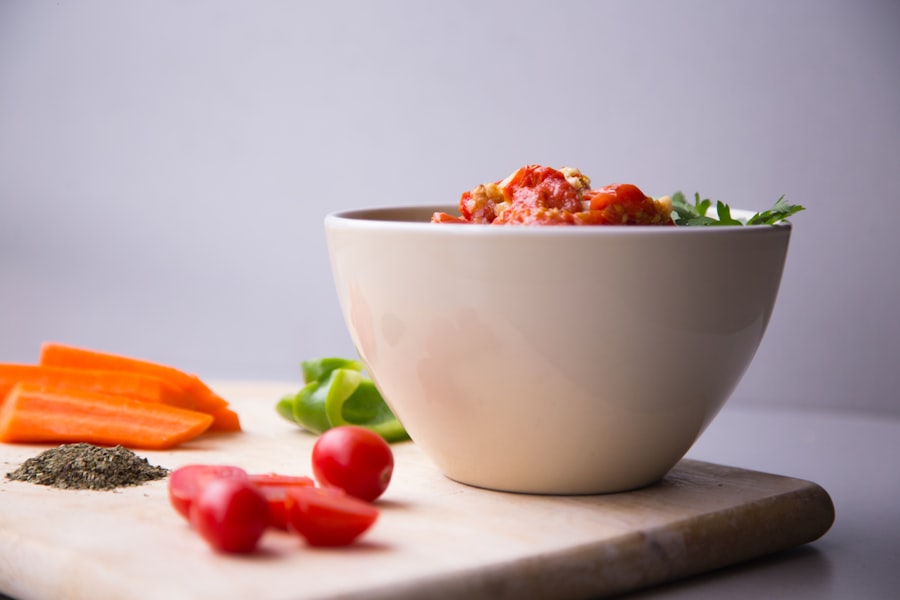
When crafting your low-glycemic meal prep bowls, it’s essential to select the right ingredients to maximize their health benefits. Start with a base of whole grains or legumes that have a low glycemic index. Options like quinoa, brown rice, lentils, and chickpeas are excellent choices that provide fiber and protein while keeping your blood sugar stable.
These ingredients not only add texture but also contribute to a well-rounded meal. Next, incorporate a variety of colorful vegetables into your bowls. Leafy greens like spinach and kale, along with cruciferous vegetables such as broccoli and cauliflower, are fantastic additions.
These veggies are low in calories but high in vitamins, minerals, and antioxidants. Don’t forget to include healthy fats from sources like avocados, nuts, or seeds. These fats can enhance the flavor of your meal while promoting satiety and providing essential fatty acids that support heart health.
Tips for Successful Meal Prep
To ensure your low-glycemic meal prep is successful, organization is key. Start by planning your meals for the week ahead. Take some time to research recipes that align with your dietary preferences and nutritional goals.
Create a shopping list based on your meal plan to avoid impulse purchases at the grocery store. This preparation will save you time and help you stay focused on your health objectives. When it comes to cooking, batch preparation is an effective strategy.
Cook larger quantities of grains or proteins at once and divide them into individual portions for easy assembly later on. Invest in quality containers that are microwave-safe and portion-controlled to make reheating simple and convenient. Labeling your containers with dates can also help you keep track of freshness and ensure you’re consuming meals at their best.
Low-Glycemic Meal Prep Bowl Recipes
Creating delicious low-glycemic meal prep bowls doesn’t have to be complicated. One simple recipe involves quinoa as a base topped with roasted vegetables like bell peppers, zucchini, and sweet potatoes. Add grilled chicken or chickpeas for protein and finish with a drizzle of tahini or olive oil for healthy fats.
This combination not only tastes great but also provides a balanced meal that keeps your blood sugar in check. Another fantastic option is a Mediterranean-inspired bowl featuring farro or barley as the grain base. Top it with cherry tomatoes, cucumbers, olives, and feta cheese for a burst of flavor.
A squeeze of lemon juice and a sprinkle of herbs like oregano or basil can elevate the dish even further. These recipes are not only satisfying but also versatile; feel free to swap out ingredients based on what you have on hand or what’s in season.
How to Store and Reheat Meal Prep Bowls
Proper storage is crucial for maintaining the freshness and quality of your low-glycemic meal prep bowls. After preparing your meals, allow them to cool completely before transferring them into airtight containers. This step helps prevent condensation from forming inside the container, which can lead to sogginess or spoilage.
If you’re preparing multiple bowls at once, consider using separate compartments for different ingredients to keep flavors distinct. When it comes time to reheat your meal prep bowls, there are several methods you can use depending on your preference and available appliances. The microwave is often the quickest option; simply cover your bowl with a microwave-safe lid or wrap it in a damp paper towel to retain moisture while heating.
Alternatively, if you prefer a crispier texture, consider reheating in an oven or toaster oven at a low temperature until warmed through. Just be sure to monitor closely to avoid overcooking.
Incorporating Low-Glycemic Meal Prep Bowls into a Healthy Lifestyle
Integrating low-glycemic meal prep bowls into your daily routine can significantly enhance your overall health journey. Start by making these bowls a staple in your weekly meal planning. By having nutritious options readily available, you’ll be less likely to reach for unhealthy snacks or fast food when hunger strikes.
This proactive approach not only supports weight management but also fosters healthier eating habits over time. Moreover, consider pairing your meal prep bowls with other healthy lifestyle choices such as regular physical activity and adequate hydration. Engaging in exercise can further improve insulin sensitivity and help regulate blood sugar levels.
Staying hydrated is equally important; drinking enough water throughout the day can aid digestion and support overall bodily functions. By combining these elements with your low-glycemic meal prep bowls, you create a holistic approach to health that promotes lasting well-being.
Potential Pitfalls to Avoid when Preparing Low-Glycemic Meal Prep Bowls
While preparing low-glycemic meal prep bowls can be beneficial, there are some common pitfalls to watch out for. One major mistake is relying too heavily on processed low-GI foods without considering their overall nutritional value. Just because a food has a low glycemic index doesn’t mean it’s automatically healthy; always check for added sugars or unhealthy fats that could negate the benefits.
Another potential issue is neglecting portion control. Even healthy foods can contribute to weight gain if consumed in excessive amounts. Be mindful of serving sizes when assembling your meal prep bowls; using measuring cups or a food scale can help ensure you’re not overindulging.
Additionally, variety is key—eating the same ingredients repeatedly can lead to boredom and may cause you to stray from your healthy eating goals. Aim for diversity in flavors and textures to keep your meals exciting and enjoyable. By understanding the principles behind low-glycemic eating and incorporating these strategies into your meal prep routine, you can create delicious and nutritious bowls that support your health goals while keeping your taste buds satisfied.