As a diabetic, managing your carbohydrate intake is crucial for maintaining stable blood sugar levels. Traditional pasta, made from wheat flour, is often high in carbohydrates, which can lead to spikes in blood glucose. This is where low-carb pasta alternatives come into play.
By opting for these substitutes, you can enjoy the comforting texture and taste of pasta without compromising your health. Understanding the importance of these alternatives is the first step toward making informed dietary choices that align with your health goals. Low-carb pasta alternatives not only help in controlling blood sugar levels but also offer a variety of nutritional benefits.
Many of these substitutes are rich in fiber, vitamins, and minerals, which can enhance your overall well-being. By incorporating low-carb options into your meals, you can enjoy a satisfying dining experience while keeping your carbohydrate intake in check. This balance is essential for managing diabetes effectively and can lead to improved energy levels and better overall health.
Exploring Vegetable-Based Pasta Substitutes
One of the most popular categories of low-carb pasta alternatives is vegetable-based substitutes. Zucchini noodles, often referred to as “zoodles,” are a fantastic option that has gained popularity in recent years. They are not only low in carbohydrates but also packed with vitamins A and C, potassium, and antioxidants.
You can easily make zoodles at home using a spiralizer or purchase them pre-made at the grocery store. When cooked lightly, they provide a delightful crunch and can be paired with a variety of sauces and toppings. Another excellent vegetable-based option is spaghetti squash.
When cooked, the flesh of this squash separates into strands that resemble traditional spaghetti. It is low in calories and carbohydrates while being high in fiber, making it an ideal choice for diabetics. You can roast it in the oven or microwave it for a quick meal.
The mild flavor of spaghetti squash allows it to absorb the flavors of sauces beautifully, making it a versatile addition to your low-carb repertoire.
Discovering Low-Carb, High-Fiber Pasta Options
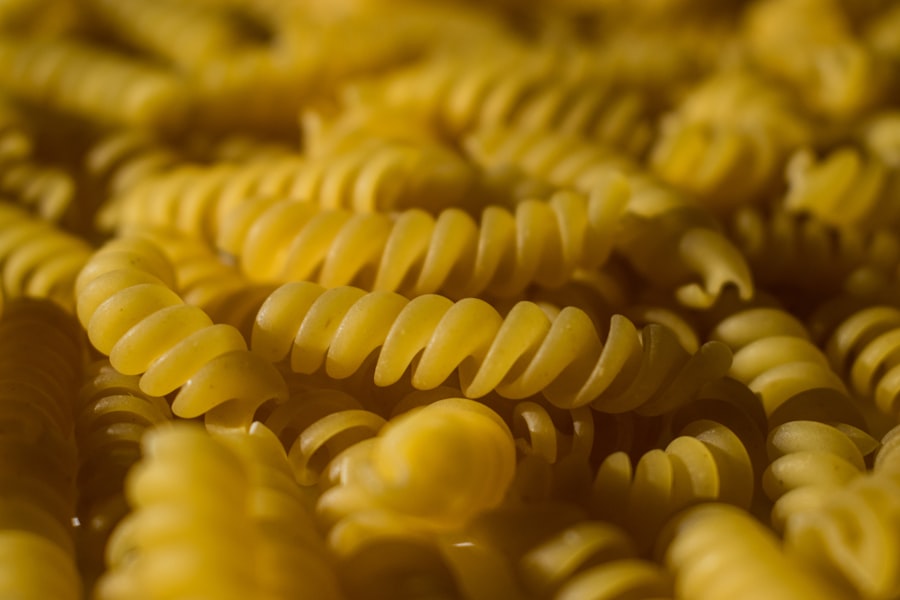
In addition to vegetable-based substitutes, there are several commercially available low-carb pasta options that are high in fiber. These products are often made from ingredients like konjac flour or chickpea flour, which provide a satisfying texture while keeping carbohydrate content low. Konjac pasta, for instance, is made from the konjac root and contains very few calories and carbohydrates.
It is also rich in glucomannan, a soluble fiber that can help regulate blood sugar levels and promote feelings of fullness. Chickpea pasta is another excellent choice for those looking to increase their fiber intake while enjoying a pasta dish. Made from ground chickpeas, this alternative is not only lower in carbs than traditional pasta but also offers a good amount of protein and fiber.
This combination can help stabilize blood sugar levels and keep you feeling satisfied longer. Incorporating these high-fiber options into your meals can enhance your digestive health while allowing you to indulge in your favorite pasta dishes.
Incorporating Protein-Rich Pasta Alternatives into Your Diet
Protein-rich pasta alternatives are another great way to enhance your meals while keeping carbohydrates in check. These options often combine low-carb ingredients with protein sources such as lentils or edamame. For example, edamame pasta is made from ground edamame beans and is not only low in carbs but also high in protein and fiber.
This makes it an excellent choice for those looking to maintain muscle mass while managing their carbohydrate intake. Another option is lentil pasta, which is made from red or green lentils. This type of pasta is not only rich in protein but also provides essential nutrients like iron and folate.
By incorporating these protein-rich alternatives into your diet, you can create balanced meals that support your energy levels and overall health. Pairing these pastas with lean proteins and plenty of vegetables can result in a satisfying dish that aligns with your dietary needs.
Exploring Gluten-Free Pasta Options for Diabetics
For those who are gluten-sensitive or have celiac disease, finding gluten-free pasta options that are also low in carbohydrates can be challenging. However, there are several gluten-free alternatives available that cater to both dietary restrictions and carbohydrate management. Brown rice pasta is one such option; it is gluten-free and offers a slightly nutty flavor while being lower in carbs than traditional wheat pasta.
Another gluten-free alternative is quinoa pasta, which is made from quinoa flour. Quinoa is a complete protein source and contains all nine essential amino acids, making it an excellent choice for those looking to boost their protein intake while avoiding gluten. These gluten-free options allow you to enjoy pasta dishes without the worry of gluten-related health issues while still keeping your carbohydrate consumption under control.
Cooking Tips and Recipes for Low-Carb Pasta Alternatives
When it comes to cooking low-carb pasta alternatives, there are a few tips that can help you achieve the best results. First, be mindful of cooking times; many vegetable-based pastas cook much faster than traditional wheat pasta. For instance, zoodles only need a quick sauté or blanching to become tender, while spaghetti squash requires longer cooking times to achieve the right texture.
Keeping an eye on cooking times will ensure that your dishes remain flavorful and enjoyable. Experimenting with sauces and toppings can also elevate your low-carb pasta dishes. Consider using fresh herbs, garlic, and olive oil for a simple yet delicious sauce that complements the natural flavors of your vegetable-based pasta.
You can also try adding protein sources like grilled chicken or shrimp for a complete meal. For those who enjoy creamy sauces, consider using pureed cauliflower or avocado as a base for a rich and satisfying sauce without the added carbs.
Finding Low-Carb Pasta Alternatives in the Grocery Store
Navigating the grocery store for low-carb pasta alternatives can be overwhelming due to the vast array of products available. Start by checking the health food aisle or the gluten-free section, where you are likely to find various options like chickpea or lentil pasta. Many stores now carry vegetable-based noodles as well, so keep an eye out for zoodles or spaghetti squash in the produce section.
When shopping for packaged low-carb pastas, always read the nutrition labels carefully. Look for products that are high in fiber and protein while keeping carbohydrates to a minimum. Some brands even provide recipes on their packaging, which can inspire you to try new dishes at home.
By being proactive in your grocery shopping, you can easily incorporate low-carb pasta alternatives into your diet.
Incorporating Low-Carb Pasta Alternatives into a Diabetic-Friendly Meal Plan
Creating a meal plan that incorporates low-carb pasta alternatives can be both enjoyable and beneficial for managing diabetes. Start by selecting one or two types of low-carb pasta substitutes that appeal to you and plan meals around them. For instance, you might choose zoodles for a light summer dish topped with marinara sauce and grilled vegetables or opt for lentil pasta paired with a hearty meat sauce for a comforting winter meal.
Incorporating these alternatives into your meal plan allows you to enjoy familiar dishes while adhering to your dietary needs. Consider preparing larger batches of sauces or proteins that can be used throughout the week with different types of low-carb pastas. This not only saves time but also ensures that you have healthy options readily available when hunger strikes.
By being intentional about your meal planning, you can create delicious and satisfying meals that support your health goals as a diabetic.